CIA Director Ratcliffe's Quiet Moscow Visit: What It Signals for US-Russia Relations
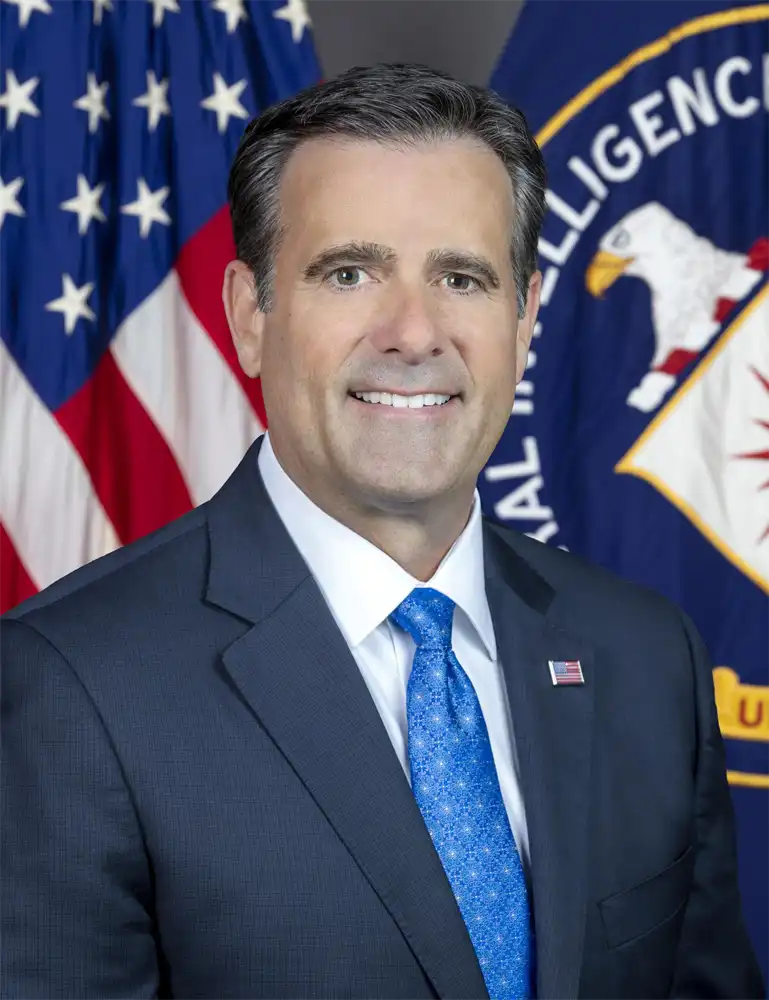
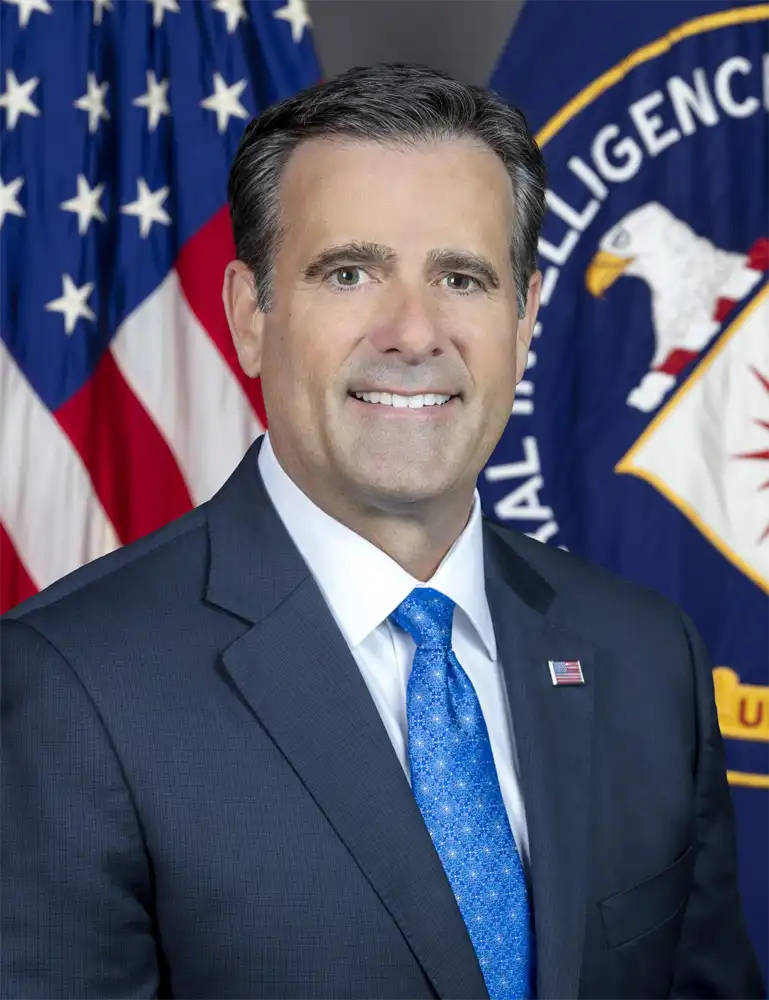
CIA Director John Ratcliffe made an unannounced visit to Moscow for talks with Russian officials, the first such trip in his role, according to BBC News. Ratcliffe appears to be one of the highest-ranking US officials to visit Russia during Donald Trump's second term as president.
Ratcliffe played a role in negotiations for the release of Russian-American citizen Ksenia Karelina, who was jailed in Russia for over a year after being accused of providing support to Ukraine (BBC News). The CIA was also involved in a 2024 prisoner swap deal with Russia that secured the release of Wall Street Journal reporter Evan Gershkovich, former US Marine Paul Whelan, and Russian-American journalist Alsu Kurmasheva. A prisoner swap is a negotiated exchange in which each country releases individuals held by the other. Those swaps established a working precedent for intelligence-channel diplomacy between Washington and Moscow even as formal bilateral relations deteriorated.
US-Russia relations have been strained since Russia launched a full-scale invasion of Ukraine in 2022. Trump met Russian President Vladimir Putin at a summit in Alaska last year, but the meeting did not lead to a breakthrough. Subsequent US-led peace talks between Russia and Ukraine appear to have stalled. The Ratcliffe visit thus arrives at a moment when the formal diplomatic track has lost momentum and alternative channels may be carrying more of the load.
The Kremlin's public posture has been notably muted. Russian officials said there was no meeting planned with the US administration at that moment and offered no information about a US military plane that landed in Moscow (Newsquawk). That disavowal is consistent with the operational pattern for intelligence-channel visits, where neither side publicly confirms the substance of discussions and public acknowledgment often comes only after the visit concludes.
Ratcliffe's trip fits a recognizable template. In November 2021, CIA Director William Burns visited Moscow to warn Russia that the US was closely monitoring an alleged buildup of Russian troops (TASS). Burns raised the issue of Russian cyberattacks during the same trip (Reuters). In November 2022, Burns met with his Russian counterpart in Ankara, Turkey, to discuss nuclear weapons and prisoner exchange issues (Reuters). By January 2023, Russia's spy chief indicated that a follow-up Burns-Naryshkin meeting was possible and "would make sense" (Reuters). These precedents illustrate that the CIA director has functioned as a de facto backchannel at moments when the front-channel diplomatic infrastructure is either frozen or underperforming.
Separately, former CIA Director William Burns cautioned that despite windfalls from the Iran war, Russia's economy is "not in great shape" (Russia Matters). That assessment, from earlier in 2026, adds an economic dimension to the current moment: Moscow's fiscal pressures may shape its appetite for negotiation, even as the battlefield and diplomatic tracks remain largely inert.
The broader context here is the structural limitation of summitry without sustained working-level engagement. The Trump-Putin Alaska summit produced no breakthrough, and the peace talks that followed have stalled. When leaders convene without a preparatory infrastructure of working-level contacts, the resulting communiqués often lack traction. Ratcliffe's visit may be an attempt to rebuild that infrastructure through the intelligence channel, which has historically been more resilient than the formal diplomatic one.
The prisoner-swap precedent matters in this framing. The 2024 deal and the Karelina negotiations produced tangible outcomes, showing that the intelligence channel can deliver discrete results even amid broader strategic hostility. Whether that channel can carry the weight of war-termination diplomacy, which involves fundamentally different stakes and actors, is a separate question. Prisoner swaps involve bilateral trade-offs between two states; ending a war requires aligning the interests of multiple parties with divergent battlefield positions and domestic political constraints.
The Kremlin's public denial of any planned meeting with the US administration is not necessarily contradictory. Burns's 2021 and 2022 visits were also not publicly previewed, and the standard practice is to keep the CIA director's travel unconfirmed until after the fact. What remains unclear is whether Ratcliffe's talks extended beyond the prisoner-release portfolio into the broader conflict, and whether any deliverable emerged from the Moscow discussions. The public record does not yet contain that information.
What can be said is that the visit signals continued US interest in maintaining an operational channel to Moscow at the highest intelligence level, at a time when the formal diplomatic architecture has produced little. Whether that channel can be scaled from discrete issue management to strategic diplomacy is the question that will define the next phase of US-Russia engagement.