CIA Director's Secret Moscow Visit: Warning NATO's Flank and Pressing on Iran

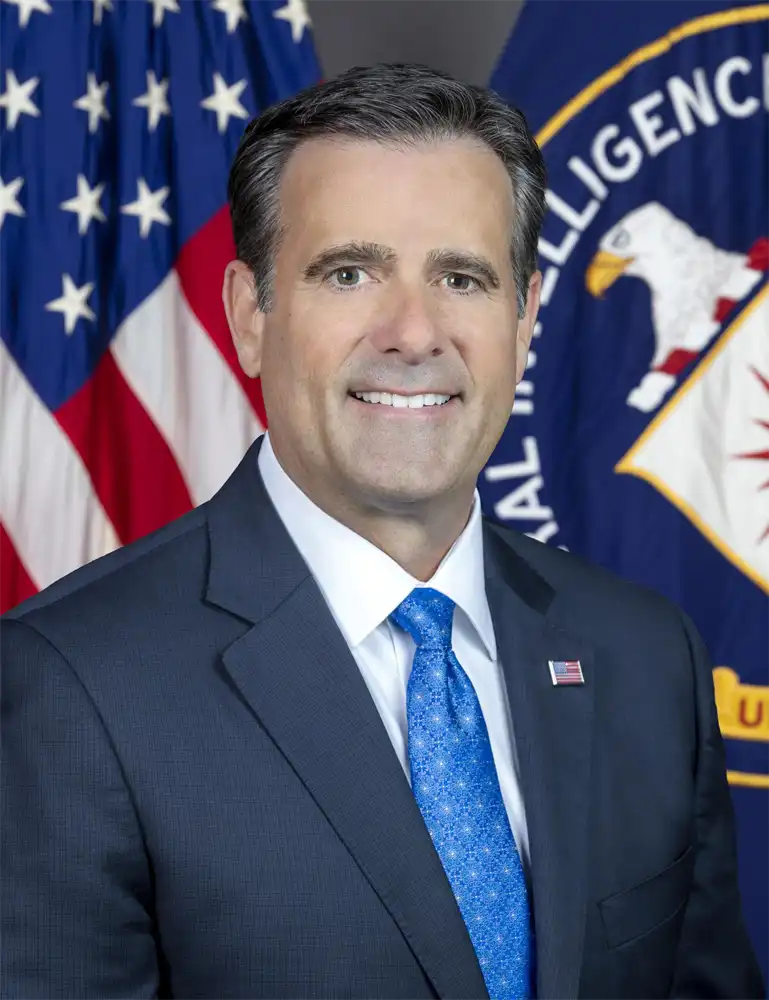
CIA Director John Ratcliffe flew to Moscow on Tuesday for an unannounced, eight-hour visit, departing from Andrews Air Force Base in Maryland on a government transport plane. His mission, according to U.S. media reports, was to urge the Kremlin not to escalate its conflict with NATO and to press for reduced Russian support to Iran. CBS News first reported the trip on August 25, 2026, followed by CNN the same day CBS News; CNN.
According to CBS News, the purpose of the visit was to warn Russia not to attack NATO member states. The Wall Street Journal and CBS News had reported that Ratcliffe aimed to dissuade Russia from attacking NATO members amid U.S. intelligence assessments that Moscow could seek to test the alliance — that is, probe whether NATO would actually respond militarily if a member state were threatened. Ratcliffe specifically urged Russia to hold back from striking Baltic nations and to reduce its support to Iran, according to Politico Politico.
The Kremlin confirmed that Ratcliffe met Russian intelligence officials but not Vladimir Putin during the visit. Sergei Naryshkin, head of Russia's SVR foreign intelligence service, said he held a "working-level meeting" with Ratcliffe in Moscow, during which they discussed unspecified and sensitive matters within the remit of their respective intelligence services. Naryshkin said the fact of the meeting was "nothing unusual" The Guardian; Euronews.
Ratcliffe is one of the highest-ranking U.S. officials to visit Russia since its war with Ukraine started in 2022. The visit coincided with a fraught period in U.S.-Russia relations, during which Russia and Ukraine had stepped up long-range strikes The Washington Post.
Kremlin spokesperson Dmitry Peskov dismissed U.S. media reports that Russia could attack a NATO member state and that Ratcliffe's visit was meant to warn Moscow against such a move. Peskov called such "scare stories" detached from reality and from Russia's intentions The Guardian.
U.S. President Donald Trump, in an interview with conservative radio host Glenn Beck, described Ratcliffe's Moscow visit as "very sort of semi-routine" and said "none of the above" to speculation that it was related to fears that Vladimir Putin planned to "test NATO resolve" or to win Moscow's cooperation for intensified U.S. sanctions on Iran The Guardian.
The intelligence backdrop is consequential. NATO Secretary General Mark Rutte warned in December that Moscow could be ready to use military force against NATO "within five years." U.S. intelligence agencies have assessed that Russia could seek to test the alliance, a concern that animated the reporting around Ratcliffe's trip CBS News.
The broader context here matters. A CIA director traveling to Moscow at a moment of active hostilities between Russia and Ukraine is a narrow, intelligence-channel intervention, not a diplomatic initiative in the conventional sense. The channel chosen — CIA-to-SVR (Russia's foreign intelligence service), not State Department to Russia's foreign ministry — signals that both sides are managing this communication within the intelligence framework rather than through formal diplomacy. Naryshkin's characterization of the meeting as "nothing unusual" and Trump's "semi-routine" label are calibrated to downplay the trip's significance, yet the very fact that multiple U.S. outlets received leaks framing the visit as a NATO-focused deterrent mission suggests that at least parts of the U.S. government wanted the warning to be publicly known regardless of how the principals chose to frame it privately.
The inclusion of Iran in Ratcliffe's agenda connects two theaters that the Kremlin has increasingly treated as interdependent. Russia's military cooperation with Iran, including the transfer of Shahed-type drones used against Ukrainian infrastructure, has been a persistent concern for Washington. Pressing Moscow on both NATO escalation and Iran support in a single eight-hour window compresses two of the most sensitive files in U.S.-Russia relations into a single intelligence channel.
Peskov's dismissal of the NATO threat reporting as "scare stories" is itself worth examining. It does not engage with the substance of U.S. intelligence assessments or Rutte's December warning. Whether that reflects confidence in Russia's conventional force posture or a deliberate messaging choice aimed at Western audiences is not separable from the available facts. What is verifiable is that the gap between U.S. intelligence assessments of a potential Russian challenge to NATO and the Kremlin's categorical rejection of that framing remains as wide as it was before Ratcliffe's aircraft departed Andrews.