CIA Director's Moscow Visit: What We Know and Why It Matters
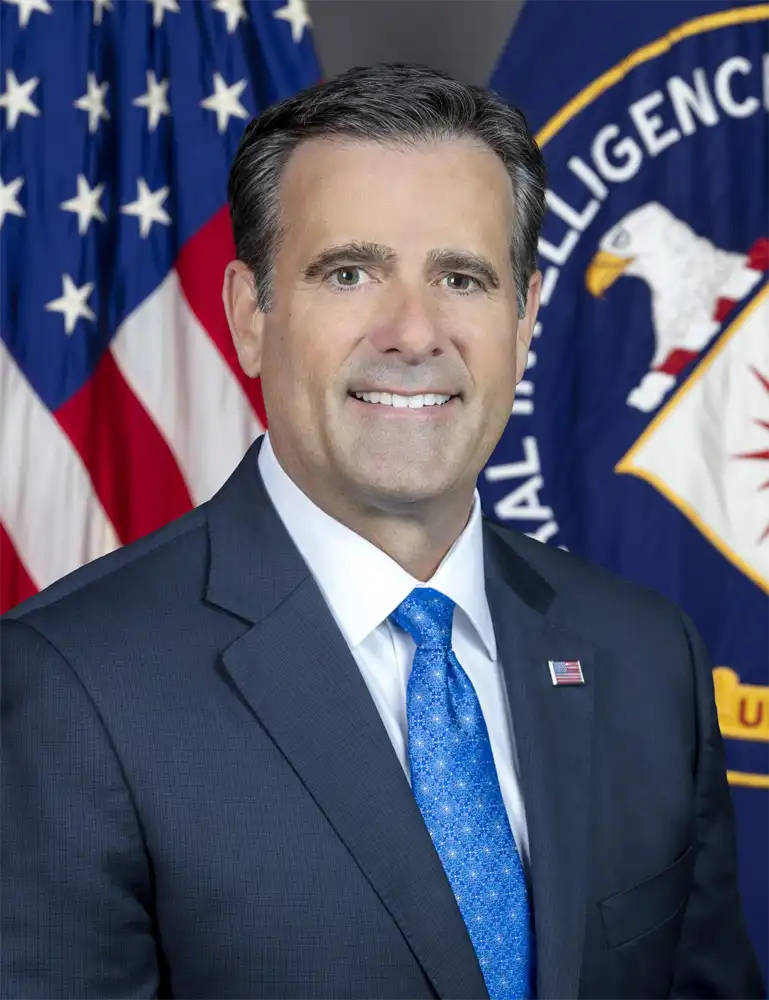
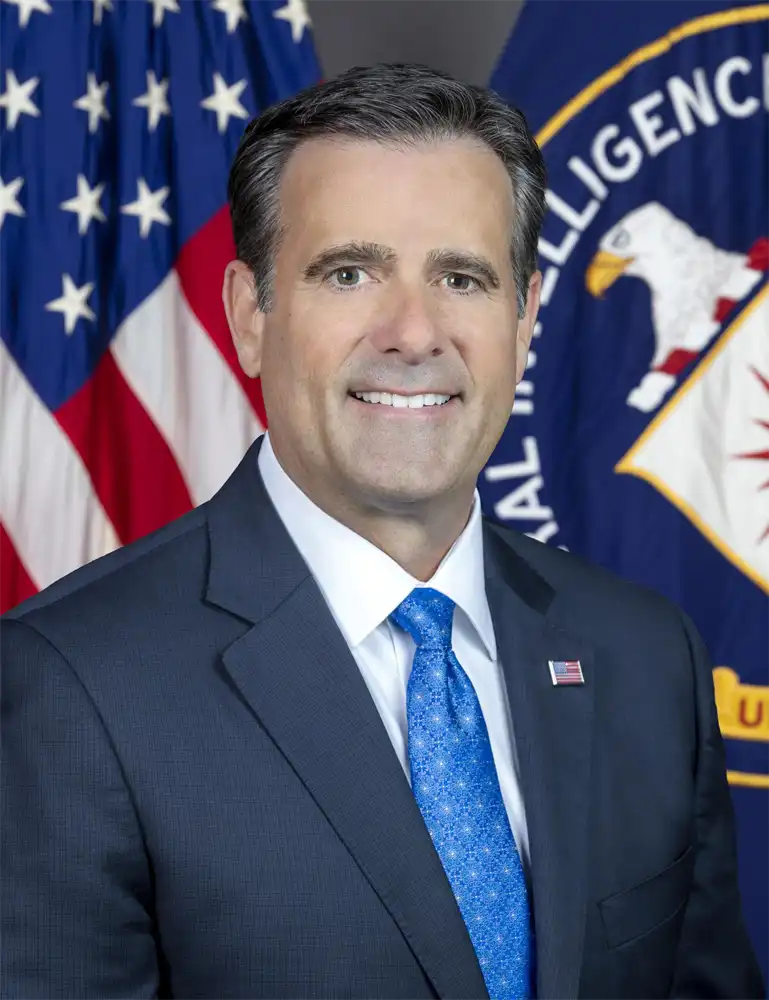
CIA Director John Ratcliffe held talks with Russian intelligence officials during a visit to Moscow this week, the Kremlin confirmed on August 26. Ratcliffe did not meet with Russian President Vladimir Putin, according to Kremlin spokesperson Dmitry Peskov, though Putin was briefed on the discussions (Al Jazeera).
Peskov confirmed the visit to reporters on Wednesday, a day after Ratcliffe arrived in the Russian capital. The visit first came to light after a US Air Force C-17A cargo plane and an American diplomatic convoy were spotted at a Moscow airport on Tuesday (Al Jazeera). U.S. media reported on August 25 that Ratcliffe had traveled to Moscow for meetings with Russian officials (Reuters). Reuters separately reported the Kremlin's confirmation that the talks were held with Russian intelligence counterparts (Reuters).
This was the first known visit to Russia by a CIA director since 2021, when then-Director William Burns traveled to Moscow (Al Jazeera). Burns's 2021 trip came during a different phase of US-Russia tensions, when the focus was on Russia's military buildup near Ukraine's borders. The current visit occurs in a different context: the bilateral relationship has worsened further since Russia's full-scale invasion of Ukraine in 2022, and the channel for direct intelligence-to-intelligence contact between Washington and Moscow has been severely limited.
Peskov called the talks a "positive development" but cautioned that it was too early to say how much the meeting would affect bringing US-Russia bilateral relations out of what he described as their "deepest crisis" (Al Jazeera). The framing suggests the Kremlin sees the visit as a meaningful but preliminary step, not a breakthrough in the relationship. Putin's decision not to meet Ratcliffe directly, while receiving a briefing on the talks, fits a calibrated Russian approach: keeping the engagement at the intelligence-channel level rather than elevating it to a presidential encounter that would carry heavier political weight on both sides.
According to Axios, as reported by Al Jazeera, the US gave Ukraine advance notice of the delegation and requested a pause in strikes on Russia while the visit was underway (Al Jazeera). That detail is notable. It signals that Washington considered the visit sensitive enough to coordinate with Kyiv and to seek a temporary de-escalation of battlefield activity to protect the delegation and preserve the diplomatic space for the talks.
On the same day Peskov confirmed the visit, he also said no contacts between the Kremlin and US representatives were planned so far (TASS). That statement draws a line between the intelligence-to-intelligence channel Ratcliffe used and any broader diplomatic engagement. The CIA had not responded to TASS's request for comment as of August 25 (TASS).
US Congresswoman Anna Paulina Luna publicly praised reports of Ratcliffe's trip to Russia (TASS). The reaction from at least one member of Congress suggests the visit may have political support within segments of the Republican Party, though the broader congressional response has yet to emerge.
The broader context here is that intelligence-channel diplomacy between adversaries often serves as a pressure-release valve when formal diplomatic ties are strained or broken. Think of it as a back door that stays open even when the front entrance is locked. Burns's 2021 visit to Moscow was similarly framed as an intelligence engagement rather than a diplomatic mission, even though it carried substantial geopolitical weight. Ratcliffe's visit follows that pattern but comes at a lower point in the relationship. Whether this channel becomes a recurring feature of US-Russia interaction or remains an isolated episode will depend on outcomes that, as Peskov himself indicated, are not yet visible.