CIA Director's Unannounced Moscow Visit: What We Know and Why It Matters

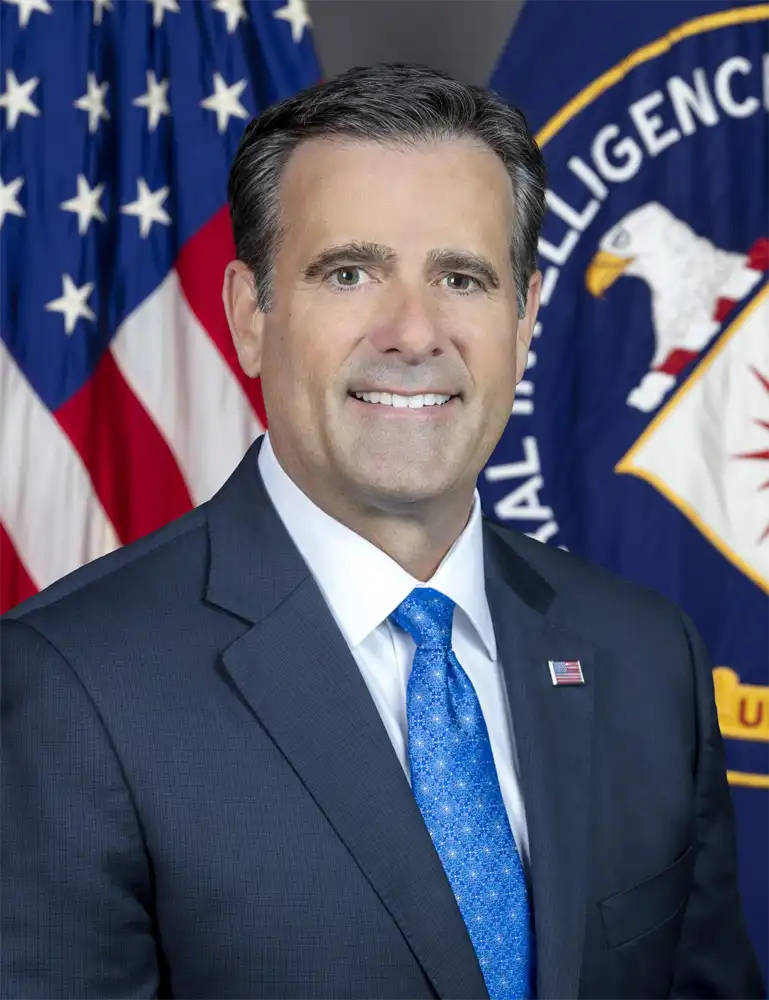
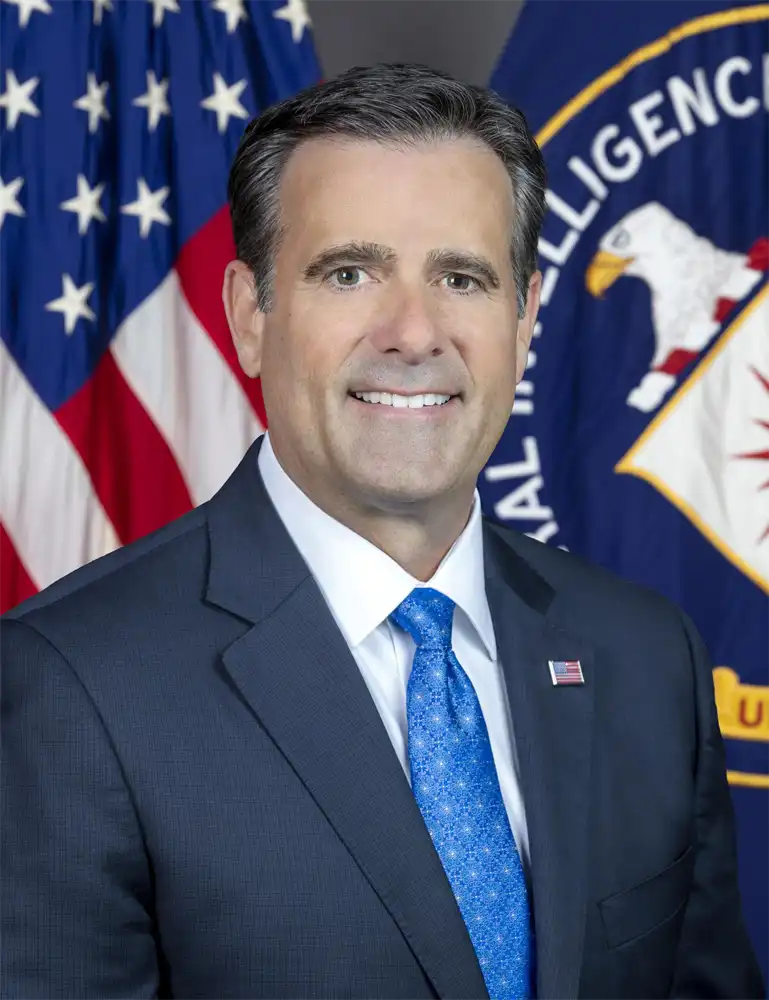
CIA Director John Ratcliffe traveled to Moscow on August 25, 2026, in an unannounced visit that, if confirmed, would be the first trip to Russia by a CIA director since William Burns visited in 2021. The Washington Post and CBS News both reported the visit, with CBS labeling its account "FIRST ON CBS." Axios, quoting a US official, confirmed the trip as the highest-level visit by a Trump administration official to Russia since January 2025. The Guardian noted it was Ratcliffe's first known visit to Russia as CIA director.
Kremlin spokesman Dmitry Peskov, speaking at a Tuesday press briefing, denied that any talks between Moscow and US envoys are planned this week. Peskov also said he had no information about reports that a US military aircraft had landed in Moscow earlier that morning. Al Jazeera
Flight-tracking data from Flightradar24 showed a US military C-17 traveling from the United States to Latvia, then departing Riga airport at 05:50 GMT and landing in Moscow at approximately 07:04 GMT. A plane believed to be carrying Ratcliffe later departed Moscow, according to the same tracking data. The C-17's route through Riga follows a standard path for US military aircraft entering Russian airspace, where permission from NATO countries along the way is normally required. A C-17 is a large military transport plane capable of carrying sizable delegations, specialized equipment, or secure communications gear, which suggests the mission was planned with needs beyond a simple passenger transfer — think of it as choosing an armored truck instead of a sedan for a particularly sensitive delivery.
The visit occurred as Russia entered its fifth year of war in Ukraine. Axios reported that Washington informed Ukraine in advance of a senior delegation traveling to Moscow and asked Kyiv to pause strikes until the delegation departed, citing a source with knowledge of the matter. This kind of temporary de-escalation request is a standard safeguard for protecting high-level officials in active conflict zones, where even accidental crossfire could derail sensitive negotiations or put senior figures at risk.
Ratcliffe has been reportedly central to prisoner exchanges between the US and Russia since President Donald Trump took office in January 2025, including the release of US-Russian dual national Ksenia Karelina. Earlier in August 2026, Moscow freed a former US Marine detained since 2022 amid concerns about his health.
The broader context here is one of fitful, often opaque US-Russia engagement on Ukraine. In late July 2026, the Kremlin said it was too early to comment on reports that the US and Ukraine were discussing a possible halt to aerial attacks as part of peace efforts. On July 27, the Kremlin stated it had seen no concrete new proposals for a peace settlement. In April 2026, Peskov said that envoy Kirill Dmitriev's visit to the US did not mean Ukraine talks had resumed and that Dmitriev was not negotiating a settlement. Meanwhile, on July 31, Ukraine's envoy to the US, Olha Stefanishyna, said Kyiv was in discussions with the Pentagon about a license to produce Patriot PAC-3 missiles. In December 2025, US envoys and Russian officials held a five-hour Kremlin meeting that failed to reach a compromise on a possible peace deal.
Ratcliffe's reported visit, set against this pattern of stalled or indirect contacts, raises the question of whether a new intelligence channel is being opened outside the framework of formal diplomatic negotiations. Peskov's denial of planned talks could reflect a genuine absence of a scheduled meeting, an effort to manage disclosure timing, or a deliberate signal to domestic audiences that Russia is not making concessions under pressure. In intelligence diplomacy, a public denial of a meeting that flight data suggests occurred is itself a data point: it signals that whichever channel may be operating is being kept entirely outside public view. That level of secrecy typically applies to discussions involving prisoner swaps, deconfliction arrangements (efforts to avoid accidental military clashes), or preliminary feelers rather than formal peace negotiations.
The C-17 transit and the reported request to Ukraine to pause strikes both suggest operational planning at a level beyond a routine visit. The use of a military transport rather than a civilian or diplomatic aircraft is consistent with the need for secure communications and the possible movement of personnel or materials connected to a prisoner exchange. Ratcliffe's established role in previous swaps lends weight to that interpretation, though the scope of any potential exchange remains unknown.
The Kremlin's own public schedule showed Putin meeting with India's External Affairs Minister Subrahmanyam Jaishankar on August 24 and with the Governor of Stavropol Territory Vladimir Vladimirov on August 25. The preceding week included a Security Council meeting on August 21, a meeting on nuclear energy development on August 20, remarks at the United Russia party congress on August 22, and a Kadyrov anniversary address on August 23. None of these publicly listed engagements involved US officials. The absence of a Putin-Ratcliffe meeting from the official Kremlin schedule does not preclude a lower-level or intelligence-to-intelligence contact, which would not typically appear in public diplomatic readouts.
Looking at what this means for the trajectory of US-Russia engagement, the visit fits a pattern in which the most consequential channels between Moscow and Washington have operated through intelligence rather than diplomatic leadership. Burns's 2021 Moscow trip set the precedent for CIA-director-level engagement as a tool for crisis management and backchannel communication outside public scrutiny. If Ratcliffe's visit follows that model, its substance may not surface for weeks or months, if at all. What is visible is the operational footprint: a military transport, a request to Ukraine to hold fire, and a Kremlin denial that neither confirms nor denies the visit itself.