Flash Flood Strikes the Nepal-Tibet Border Again, Killing at Least Nine
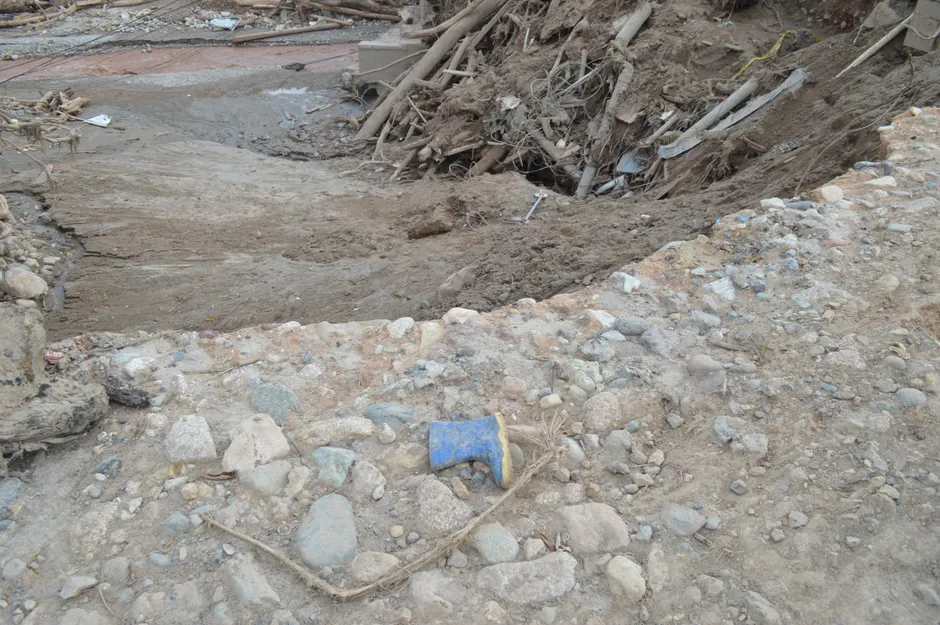
A flash flood along the Nepal-Tibet border has killed at least nine people, washed away villages, and damaged roads and project sites near the frontier, according to Reuters reporting from August 26, 2026. The flooding struck Himalayan border areas of Nepal and adjoining Tibet, leaving destruction across communities and infrastructure in a region already vulnerable to monsoon-season disasters.
The event follows a grimly familiar pattern in the Bhote Koshi River basin. In July 2025, a massive flash flood on the same river killed nine people, left 24 missing, and washed away a Friendship Bridge linking Nepal and China (Reuters). That flood was triggered by the drainage of a Tibetan glacial lake, according to a climate body cited by Reuters at the time (Reuters). Initial reporting on the 2025 disaster had put the death toll at eight with over two dozen missing (Reuters); the figure was subsequently revised upward.
The latest flood extends a documented cycle of deadly Himalayan disasters spanning well over a dozen years (Reuters). The Bhote Koshi corridor runs through steep, narrow gorges from the Tibetan Plateau into Nepal's Sindhupalchok district. It has been repeatedly hit by flood events linked to upstream glacial dynamics — the behavior of glaciers and the lakes they form as they melt. The 2025 flood showed how a glacial lake outburst (a sudden release of water when a glacial lake breaches its natural dam) on the Tibetan side can send a wall of water downstream across an international border within hours, with little warning reaching communities on the Nepali side.
Nepal's National Disaster Risk Reduction and Management Authority (NDRRMA) has been tracking ongoing disaster impacts through its daily bulletins. The NDRRMA Daily Disaster Bulletin of August 25, 2026 reported one death and 18 injuries over the preceding 24 hours (NDRRMA). A bulletin three days earlier, dated August 22, 2026, reported identical figures of one death and 18 injuries over the same 24-hour window (NDRRMA). These bulletins cover nationwide disaster incidents and do not exclusively reflect the flash flood event, but they show that disaster mortality has been a daily reality in Nepal during this period.
The August 2026 flood damaged project sites near the Tibet border, though the specific nature and ownership of those projects have not been detailed in the available reporting. The Friendship Bridge destroyed in the 2025 event was part of the cross-border infrastructure connecting Nepal and China through the Rasuwagadhi-Kerung crossing, a trade route of strategic importance to both countries. Damage to such infrastructure compounds the humanitarian cost of these floods by disrupting supply lines and slowing recovery efforts.
The broader context here is the intersection of climate-driven glacial hazards with populated, infrastructure-dense river basins that cross national borders. The Himalayan region, often called the Third Pole for its vast ice reserves, faces accelerating glacial melt and the expansion of glacial lakes that can breach catastrophically. When a glacial lake drains on the Tibetan side, the downstream effects are felt in Nepal within the same river system. The fact that the 2025 flood was attributed to this mechanism places the August 2026 event within an established and intensifying risk profile for the region.
Nepal's limited early-warning infrastructure for transboundary flood events remains a structural constraint. Glacial lake outburst floods, or GLOFs, can travel at high velocities through steep terrain, leaving minimal reaction time even when monitoring systems are functional. Cross-border data-sharing between China and Nepal on upstream hydrological conditions has been discussed in bilateral forums, but the repeated toll of these disasters raises questions about the adequacy of current arrangements.
The timing of the August 2026 flood, coming just over a year after the deadly July 2025 event on the same river, will likely intensify scrutiny of how quickly risk-reduction measures can be implemented in a corridor where the underlying threat appears to be recurring. The damage to project sites suggests that infrastructure investments in the border zone are themselves exposed to the same hydrological hazards affecting villages, which has implications for the viability of construction in flood-prone stretches of the Bhote Koshi valley.
For now, the confirmed toll stands at nine dead, with villages washed away and roads damaged along a frontier where geography, climate, and infrastructure converge in a particularly unforgiving combination.