Nepal-Tibet Border Flash Flood: What Happened and Why the Toll Spans 26 Countries

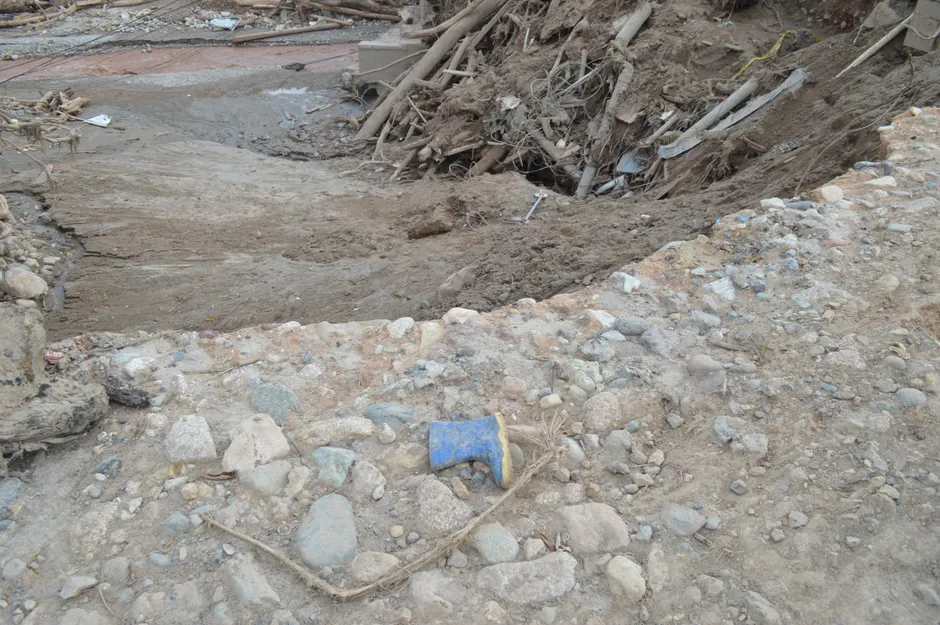
A flash flood along the Bhote Koshi River on the Nepal-Tibet border has killed at least 157 people and left 403 missing, including 33 British citizens, according to Nepal's tourism board. The flood struck around 8:30am local time on Wednesday, 26 August 2026, on the Tibetan side of the river, sending a wall of water, mud, and debris into Nepali territory. Nepal's police confirmed 157 bodies had been recovered and more than 40 people were injured and receiving hospital treatment.
What makes this disaster unusual is its international reach. Nepal's tourism board said the 403 missing include 341 foreign nationals from 26 different countries. Among the confirmed foreign missing are more than 100 Indians, 12 British nationals, eight South Koreans, and three U.S. citizens. More than 100 of the missing have yet to have their nationality confirmed, meaning the final toll across nationalities could shift as identification proceeds. Reuters and The Independent reported the 341-foreign-national figure, consistent with the tourism board's statement.
The 33 missing British citizens ranged in age from 13 to 65, according to travel logs shared with the Press Association. Ram Kumar Adhikari, owner of Alpine Eco Trek, told the Press Association that 12 British citizens on his company's tour were scheduled to make border crossing entry on the morning of the flood. The gap between the 12 British nationals on the Alpine Eco Trek tour and the 33 total British missing suggests additional British travellers were in the flood zone through other operators or independently, though the verified facts do not specify those arrangements. The Guardian
Reuters reported that a wall of mud and rock appeared to have collapsed into the river on the Himalayan border, triggering catastrophic flooding on the Nepali side. Verified videos showed dozens of people being swept away at the border crossing. Experts cited by Reuters said a glacier collapse may have triggered the flood. Nepal's foreign minister, Shisir Khanal, told parliament that initial reports suggested an earthquake had triggered an avalanche, which in turn caused the flooding. These two accounts are not necessarily contradictory: seismic activity can destabilize glacial formations, and the sequence of trigger events remains under investigation.
A flash flood, for context, is a rapid surge of water that gives little warning, often caused when a natural barrier holding back water breaks suddenly. In mountainous regions like the Himalayas, glaciers can form unstable lakes behind walls of ice or rock. When those walls fail, the released water races downstream with enormous force, carrying mud and boulders with it. This type of event is known as a glacial-lake outburst flood, or GLOF.
Officials in Tibet said they feared major casualties in the county of Gyirong, where a mudslide hit a border land crossing. On the Nepali side, the flood destroyed houses, roads, and energy infrastructure. South Korea's foreign ministry confirmed that eight South Korean nationals working on a hydropower plant were missing and 10 others were stranded, making clear that the flood zone included active industrial and energy project sites, not only tourist routes. The Bhote Koshi valley has hosted multiple hydropower and infrastructure projects, and the presence of foreign workers at those sites adds a layer of complexity to casualty tracking across nationalities.
Local authorities advised tourists in Nepal's Rasuwa district and other areas along the Bhote Koshi and Trishuli rivers to exercise extreme caution and move to higher ground if required. The British embassy in Kathmandu, jointly with the embassies of Australia, the EU, Finland, France, Norway, and Switzerland, issued a statement expressing solidarity with those affected by flooding in the Rasuwa and Nuwakot districts. UK foreign secretary Ed Miliband said he was "deeply concerned" about the flash floods on the Nepal-China border.
The broader context matters for assessing risk exposure. The Bhote Koshi River has a documented history of catastrophic flash flooding. A previous flood on the same river killed nine people, left 24 missing, and washed away the Friendship Bridge linking Nepal and China. Al Jazeera That prior event involved infrastructure destruction at the same border crossing zone now affected. The recurrence pattern raises questions about whether glacial-lake outburst flood risk assessments and early-warning systems along the Bhote Koshi corridor have been adequately upgraded since the previous disaster, though the verified facts do not specify the status of such systems.
The high proportion of foreign nationals among the missing, spanning 26 countries, reflects the Bhote Koshi valley's status as a corridor for both adventure tourism and cross-border trade between Nepal and China. Tour operators route groups through the Friendship Bridge crossing at Rasuwa, and the timing of the flood, 8:30am local time, coincides with the morning window when tour groups typically assemble for border crossing procedures. Alpine Eco Trek's confirmation that its 12 British clients were scheduled for morning entry fits this pattern.
Casualty figures in the immediate aftermath of Himalayan flash floods typically rise as downstream search operations extend and as communications are restored to remote areas. Nepal's tourism board figure of 403 missing may consolidate or fragment as nationality identification proceeds and as some reported missing are confirmed safe. The 157 recovered bodies represent confirmed fatalities; the relationship between the missing count and the recovered count, and whether all missing persons will be accounted for, will depend on downstream search conditions along the Bhote Koshi and Trishuli river systems in the coming days.