Nepal Flash Floods Kill at Least 160, with Hundreds of Tourists Among the Missing

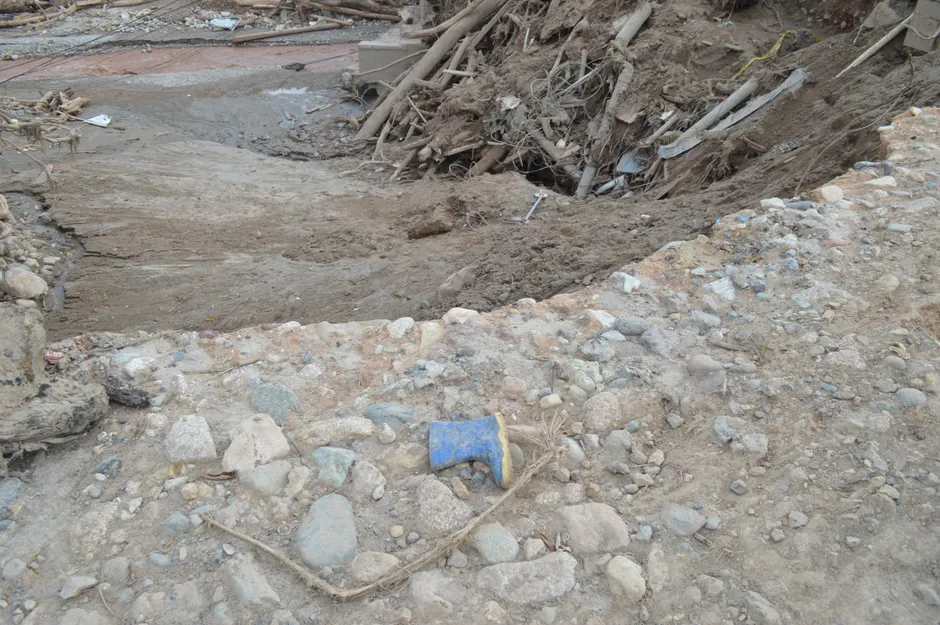
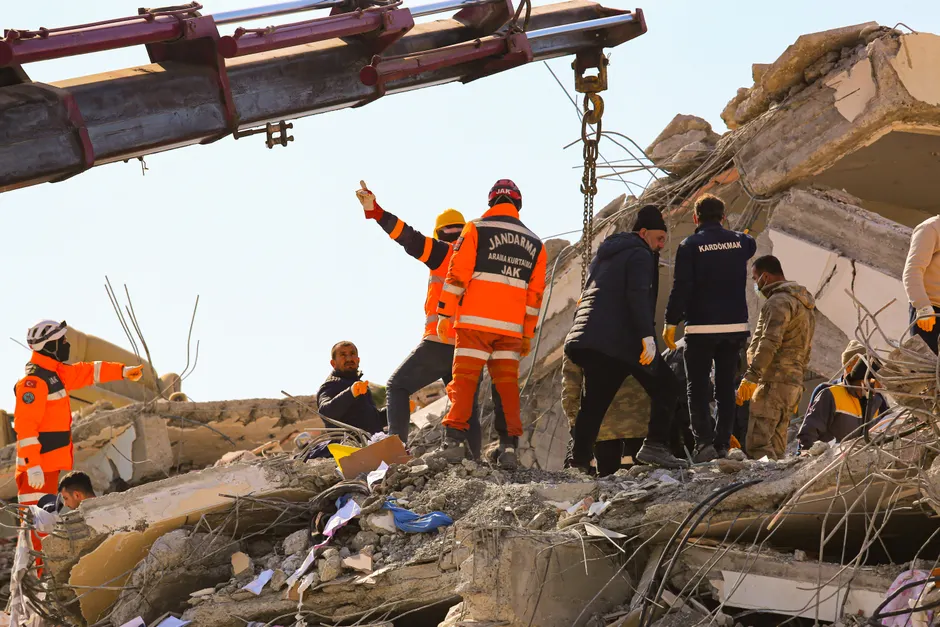
At least 160 people have been killed and more than 400 are missing after flash floods tore through the Nepal-Tibet border region on August 26, 2026, devastating villages and roads across Rasuwa and Nuwakot districts. Nepal's tourism ministry confirmed that 403 tourists remain unaccounted for, 341 of them foreign nationals, according to the Nepal Tourist Board as reported by Al Jazeera and PBS NewsHour.
The missing come from a wide span of countries. The Nepal Tourist Board identified 47 Americans, 34 Australians, 33 Britons, and 24 Canadians among those unaccounted for, as reported by The Guardian. CBS News separately reported 33 Americans, 4 Germans, 19 Malaysians, and one Israeli among the missing foreign nationals. More than 100 Indian pilgrims were also among the missing, according to The New York Times. The Nepal Tourist Board further broke down the missing as 203 male and 200 female.
The death toll climbed through the day. Al Jazeera and PBS NewsHour reported at least 160 killed. ABC News Australia put the figure at more than 150 dead. CNN reported the toll exceeded 150 and was expected to rise. CBS News reported at least 95 killed with nearly 400 listed as missing. Arise TV News reported 380 travellers missing as the toll rose — a figure consistent with the range across outlets, though the Nepal tourism ministry's count of 403 remains the most authoritative tally available.
Scientists suggested the flooding may have been triggered by ice snapping off a glacier, The New York Times reported. An avalanche-driven glacial event would fit the sudden onset and destructive force of the flash flood, though a definitive cause had not been formally established. The affected districts of Rasuwa and Nuwakot lie along a corridor frequented by trekkers and pilgrims traversing the Nepal-Tibet frontier.
Multiple governments moved quickly to account for their citizens. Australia's foreign minister Penny Wong said the government was urgently trying to confirm the welfare of Australians in Nepal after the flash flooding. Australia's Department of Foreign Affairs and Trade (DFAT) said it was aware of a number of Australians in the affected area and was liaising with local authorities and tour operators. One missing Australian was travelling with Kathmandu Holiday Tours + Travel, according to Agence France-Presse. Australia's ambassador to Nepal, Simon Ernst, said he was "deeply saddened" by the disaster.
The embassies of Australia, Finland, France, Norway, Switzerland, and the UK in Nepal issued a joint statement expressing sadness over the devastating flooding in Rasuwa and Nuwakot districts and surrounding areas. The coordinated diplomatic response pointed to the breadth of foreign nationals caught in the disaster.
The broader context here matters. The Himalayan region has faced mounting scrutiny over the compounding risks of climate change and glacial retreat, which scientists have linked to a rising frequency of glacial lake outburst floods, or GLOFs — sudden releases of water when a glacier-fed lake bursts through its natural dam. Across the Hindu Kush-Karakoram-Himalaya mountain arc, these events are becoming more common as warming temperatures destabilize glacial ice. A glacial ice detachment, if confirmed as the trigger here, would place this disaster within that established pattern. Nepal's disaster management authorities have historically struggled with early warning coverage in remote border districts, and the concentration of casualties and missing persons in Rasuwa and Nuwakot shows the human cost of that gap.
The number of foreign nationals among the missing is unusually high for a flooding event in this region, reflecting the heavy concentration of trekkers, pilgrims, and adventure tourists who travel the Rasuwa corridor during the late monsoon and early autumn trekking season. The involvement of tour operators, as in the case of the missing Australian travelling with Kathmandu Holiday Tours + Travel, points to the role of organized travel companies in guiding visitors through terrain that, while popular, remains acutely vulnerable to GLOFs and monsoon-driven flash flooding.
For the affected governments, the immediate priority is accounting for nationals still unreachable. The diplomatic coordination seen in the joint embassy statement suggests that consular responses are being organized multilaterally rather than through bilateral channels alone, which may streamline information-sharing in an environment where communications infrastructure has been degraded by the flooding itself. The death toll, already exceeding 150 and expected to rise, places this among the deadliest flooding events to strike Nepal's border regions in recent years.