Australian Tourists Among Hundreds Missing After Nepal-Tibet Border Flash Floods
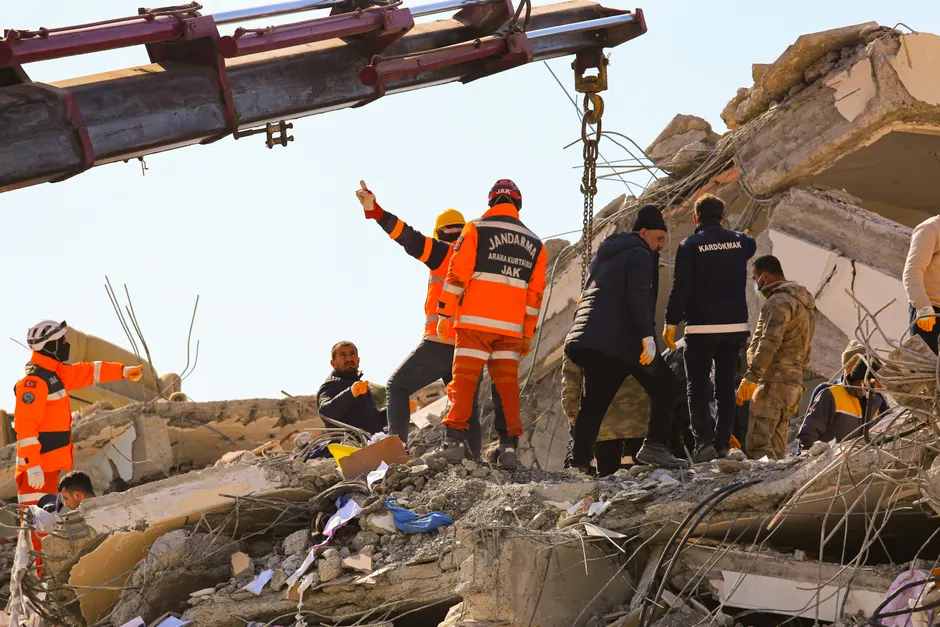
Fifteen Australian tourists trekking in Nepal's Rasuwa valley are feared dead after flash floods devastated the Nepal-Tibet border region, according to the founder of the tour company that organised their trip (The Guardian).
Sagar Pandey, chief executive of Himalayan Glacier Trekking and president of the Trekking Agencies' Association of Nepal, said he has little hope the group survived after flying by helicopter over the Rasuwa area where the tourists had been staying. The missing Australians range in age from 11 to 64 and are believed to include two families of four from New South Wales.
Pandey's tour group comprised 47 people in total, including 15 Australians alongside tourists from the UK, US, Canada and Singapore, as well as his guides. The group had driven roughly seven hours from Kathmandu to reach the valley and was expected to head towards the border with China at approximately 8.30am on the day the flood struck.
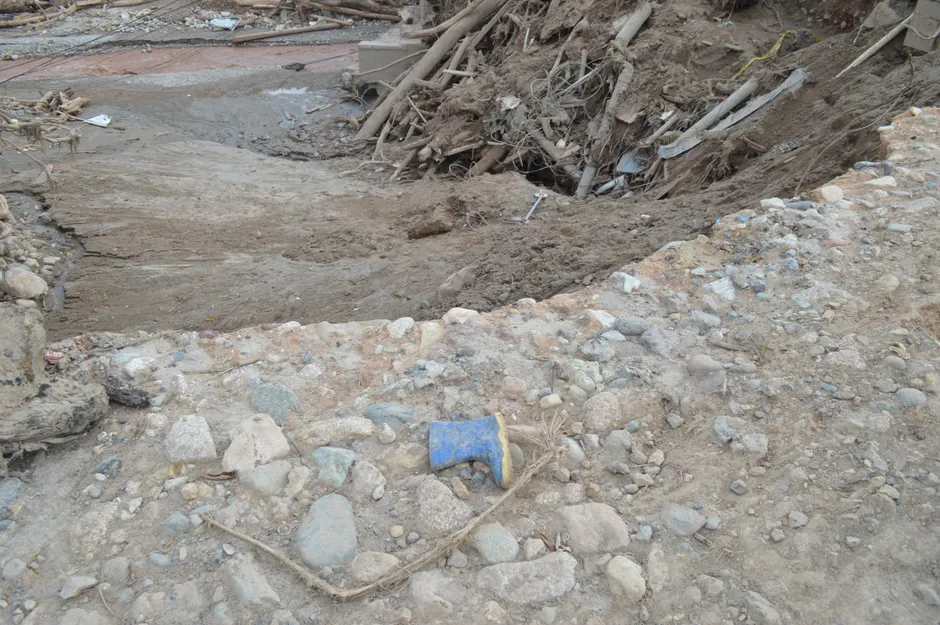
The disaster has claimed at least 157 lives across the Nepal-Tibet border region, where flash floods swept away roads, bridges and power plants (The Guardian). Hundreds of foreign tourists are among the missing. Dozens of Australian tourists are reportedly among the hundreds of missing foreigners, and 12 UK citizens, including a 13-year-old girl, and two Irish nationals are also feared missing in the Rasuwa region.
Pandey has been coordinating with other local tour groups that also lost contact with their guides in the area. Among those operators were groups that had arranged tours for Australians. During his helicopter overflight, Pandey noticed approximately 100 people on higher ground whom he believed were locals who narrowly escaped the disaster.
Pandey has been guiding in the Himalayas since 1992, bringing 33 years of experience to an operation that now finds itself at the centre of one of Nepal's deadliest flooding events in recent memory (Himalayan Glacier Trekking).
The Rasuwa district, where the group was based, sits along a critical corridor between Kathmandu and the Chinese border at Rasuwagadhi. The seven-hour drive from the capital into this valley traverses terrain that becomes extraordinarily difficult to evacuate or resupply once infrastructure is compromised. With bridges and roads washed away, ground access to the area has been effectively severed, leaving helicopter reconnaissance as one of the few viable means of assessment.
The broader context here is the intersection of Nepal's monsoon-season vulnerability with its heavy dependence on trekking tourism. The industry is a pillar of the national economy, and operators like Pandey's occupy a position of significant responsibility for foreign nationals travelling into remote, high-risk terrain. The presence of children among the missing, including an 11-year-old, points to the family-oriented nature of much of this tourism and the compounding tragedy when disaster strikes groups that span multiple generations.
The scale of foreign tourist involvement, spanning at least six nationalities, also means the diplomatic fallout will be wide-reaching. Australia, the UK, the US, Canada, Ireland and Singapore all have nationals among the missing or unaccounted-for, creating a multilateral consular challenge that will intensify as search efforts proceed or stall.
What remains unclear is the full accounting of how many separate tour groups are uncontactable in the Rasuwa corridor. Pandey's coordination with other operators suggests the situation extends beyond a single company's clients, and the figure of hundreds of missing tourists, if confirmed, would point to a systemic failure of evacuation capacity in a region that hosts significant tourist traffic during the trekking season.
For an operator of Pandey's standing, simultaneously leading the Trekking Agencies' Association of Nepal, the incident will inevitably raise questions about risk assessment protocols, monsoon-season itinerary decisions, and the adequacy of emergency communication infrastructure in Nepal's trekking corridors. These are questions that the industry, the Nepali government, and the foreign governments whose citizens travel there will all need to confront as the full toll becomes clear.