Nepal's Avalanche-Triggered Floods: What Happened and Why the Toll Is So High

More than 160 people have been killed and roughly 1,500 are unaccounted for after flash floods tore through the Nepal-Tibet border region on 26 August 2026, according to Reuters. An ice-rock avalanche — a collapse of a glacier and the rock beneath it — sent a massive surge of water through Himalayan communities and infrastructure along the border. Reuters reported that an earthquake is suspected to have triggered the avalanche. The death toll is expected to rise.
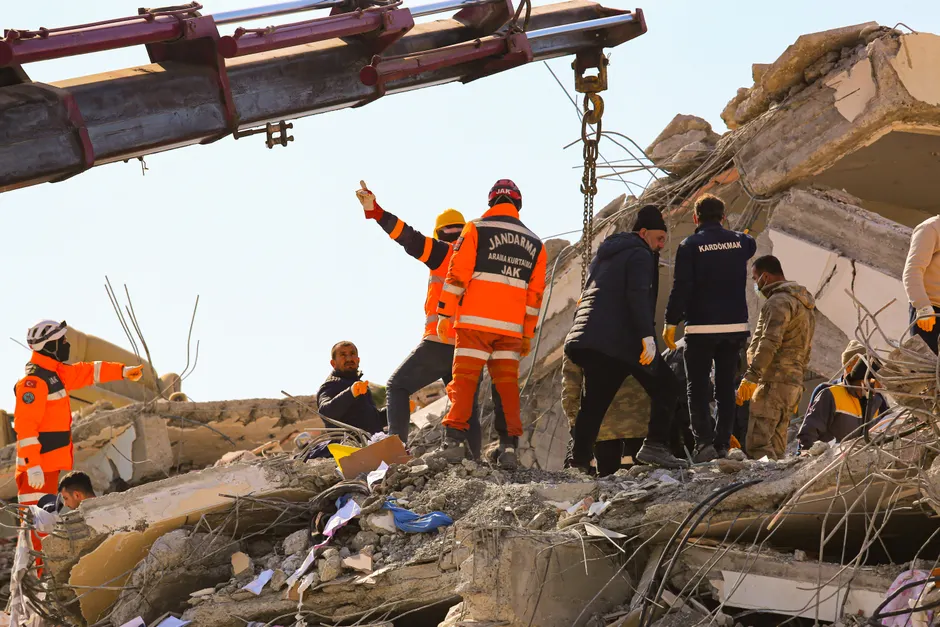
Among the missing are at least 800 foreign tourists, Reuters reported on 27 August. Hundreds of foreign travellers were unaccounted for in the disaster zone, a figure that highlights the scale of the humanitarian challenge facing Nepali authorities and international rescue teams now mobilising to the region (Reuters). Helicopters have begun dropping aid to survivors as part of the ongoing rescue effort.
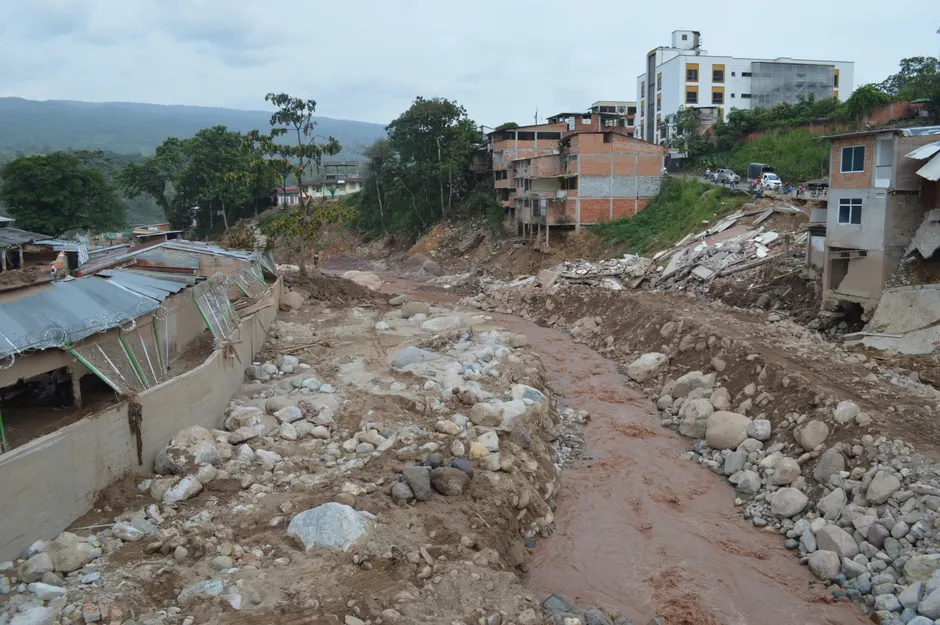
The disaster unfolded on 26 August 2026, when the avalanche of ice and rock triggered flash floods that killed at least eight people initially, with hundreds reported missing in the first hours after the event (NPR). CNN reported over 1,300 people missing after floodwaters destroyed villages and infrastructure on the Nepal-China border (CNN. The casualty figures escalated rapidly through 27 August as rescue teams reached more of the affected area. The flooding swept through the Himalayan region along the Nepal-Tibet border, killing people across both countries (Reuters).
Global aid was being dispatched to Nepal as the death toll rose and more than 1,000 people remained missing, Reuters reported. The scale of the disaster has drawn an international response to supplement Nepal's domestic rescue capacity, which is stretched across a remote, high-altitude disaster zone where access is constrained by destroyed infrastructure and difficult terrain.
The broader context here is Nepal's persistent exposure to cascading natural hazards — floods, landslides, and earthquakes that often overlap — and the strain these place on the country's disaster management systems. Nepal's Department of Hydrology and Meteorology (DHM) operates a Flood Monitoring page, a Flood Forecasting and Early Warning Service, and a River Watch portal that displays real-time river water levels, warning levels, danger levels, trend and status data. The DHM also publishes flood forecasting bulletins on its website. On 15 June 2026, the department issued a press release noting a delay in monsoon onset. These monitoring systems are designed to provide early warning for flood events driven by monsoonal rainfall, but the 26 August disaster was triggered by an earthquake-suspected ice-rock avalanche, a mechanism that falls outside the typical rainfall-driven flood scenarios these systems are primarily configured to detect. Avalanche-triggered outburst floods — where a wall of water and sediment bursts downstream after a natural dam breaks — can occur with minimal warning, generating violent surges that devastate downstream communities before conventional flood forecasting models can respond.
The National Disaster Risk Reduction and Management Authority (NDRRMA) publishes a Daily Disaster Bulletin on its official website. Its bulletin dated 24 August 2026 reported 50 disaster-related incidents across Nepal in the preceding 24 hours alone. The NDRRMA published its next Daily Disaster Bulletin on 25 August 2026, one day before the avalanche-triggered floods. These bulletins indicate sustained multi-hazard activity across the country in the days leading up to the event, situating the Lhende Khola flood within an already active disaster period rather than an isolated incident.
For regional observers, the death toll and the number of missing foreign nationals will draw attention to Nepal's preparedness for compound events — disasters where one hazard, like an earthquake, sets off another, like an avalanche and flood — and to the adequacy of early warning infrastructure for flood triggers unrelated to rainfall. The suspected earthquake-avalanche mechanism also raises questions about seismic monitoring in the border region and coordination between Nepali and Chinese authorities, given that the flooding crossed the Nepal-Tibet border and affected communities in both countries.
Search operations remain active, and the casualty figures are evolving. The most recent reporting from Reuters on 27 August places the death toll above 160 with approximately 1,500 people unaccounted for, including at least 800 foreign tourists. Aid is flowing in from international partners, and helicopters are operating in the flood zone. The full extent of the damage, and whether the missing can be found alive, will depend on the speed and reach of rescue operations in terrain that is among the most difficult on earth to operate in.