Nepal's Deadly Flash Flood: What Happened and Why It Could Happen Again

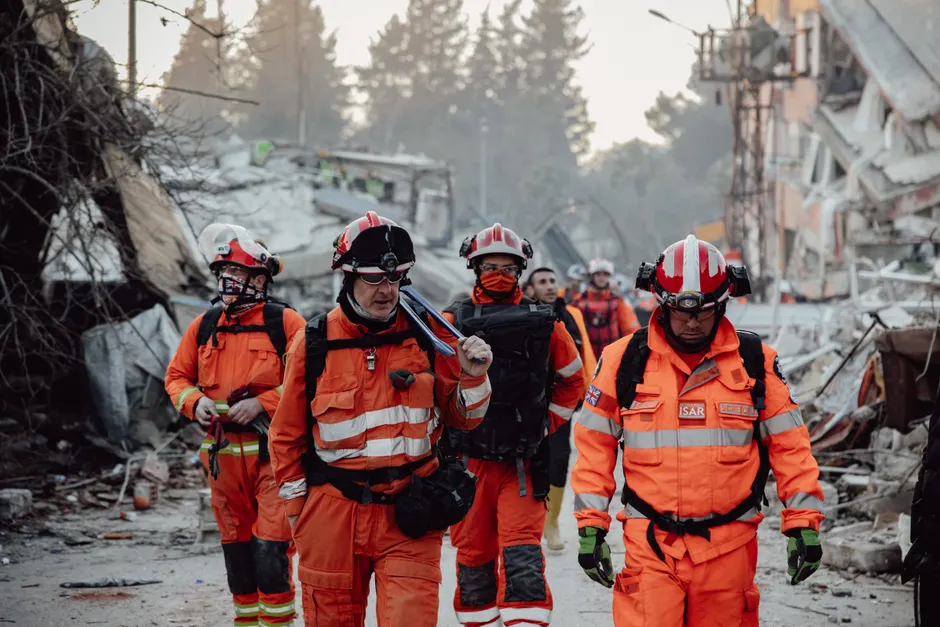
A flash flood tore through Nepal on August 26, 2026, killing at least 359 people and leaving nearly 1,000 missing, according to Reuters. By the following day, rescue teams were searching Himalayan valleys and hillsides for survivors across a disaster zone whose full size was still unclear.
The death toll climbed quickly. As of 11 UTC on August 26, the flood had left at least 300 dead and over 900 missing, EarthSky reported. By August 27, Reuters raised the death toll to at least 359 with nearly 1,000 unaccounted for. A second Reuters live update referenced nearly 1,500 missing, including tourists, though the higher figure may reflect an evolving count as authorities consolidated reports from affected districts.
Experts cited by Reuters said a glacier collapse may have triggered the flood. When a glacier collapses, it can release enormous volumes of trapped water in minutes, sending a wall of debris-filled water downstream with little warning. This mechanism fits the speed and severity of the August 26 event, though confirming the cause will require on-site geological assessment once the area is accessible.
Nepal and China both warned of fresh flood risks on August 26, as glacial lakes threatened to burst in the aftermath of the initial event, according to Reuters. The cross-border dimension matters: these floods do not respect national boundaries, and a secondary failure upstream in the Himalayan chain could worsen the destruction already seen in Nepal's downstream valleys.
Nepal's Department of Hydrology and Meteorology (DHM) has documented that landslide dam outburst floods can cause extensive damage downstream, a hazard built into the country's steep, tectonically active terrain. The same agency notes that rainfall exceeding 100 mm in 24 hours is common in many parts of Nepal, a baseline that increases the risk of slopes collapsing and debris flows starting during monsoon storms. When intense rain hits already destabilized glacial or landslide-dammed features, the cascading effects can be lethal and fast.
The August 26 flood fits a broader pattern of high-altitude water hazards that Himalayan countries have flagged for years. Glacial lake outburst floods, or GLOFs, happen when naturally dammed glacial water bodies break through their retaining walls of rock and sediment (called moraines), releasing catastrophic discharges. Landslide dam outburst floods follow similar logic: a debris avalanche blocks a river, water pools behind it, and the natural dam then fails under water pressure or overtopping. Both can generate peak flows far exceeding normal monsoon flooding, and both can travel tens of kilometers downstream with devastating force.
The scale of this event, with 359 confirmed deaths and roughly 1,000 missing, places it among the deadliest flash flood disasters in Nepal's recent history. The missing figure is especially significant: in flash floods, missing persons are often recovered days later as floodwaters recede and debris is cleared, meaning the final death toll may climb substantially.
The concurrent warning from both Nepal and China about additional glacial lakes threatening to burst raises the prospect of a sequential or cascading disaster. Secondary outburst events can occur days or weeks after an initial breach if destabilized glacial features continue to deteriorate. For downstream communities already displaced or cut off by the August 26 flood, a secondary event would compound rescue and relief challenges.
The broader context here is the gap between what scientists know about these hazards and what early warning systems can actually deliver in real time across high-Himalayan catchments. Nepal's DHM has long identified the underlying conditions: intense rainfall, landslide dam formation, and downstream vulnerability. The question now is whether this disaster generates enough political momentum to expand glacial lake monitoring, build transboundary data-sharing arrangements with China, and establish community-level evacuation protocols for vulnerable valleys. The cost of inaction has been measured in hundreds of lives. Whether that calculus shifts policy in Kathmandu and Beijing will depend on political decisions that have not yet been made.