Nepal-Tibet Border Flood: Death Toll Climbs to 469 as Secondary Flood Risk Looms

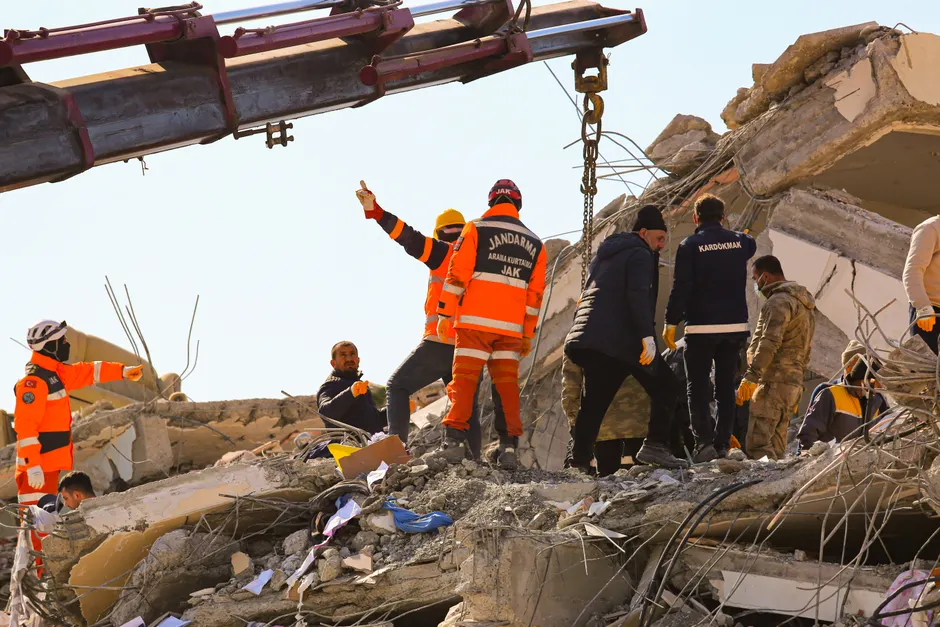
Nepal police confirmed on 28 August 2026 that the death toll from the flash flood that struck the Nepal-Tibet border on 26 August had risen to 469, an increase of 80 from the previous update, with more than 1,300 people still missing across both sides of the border. The disaster, triggered by a glacier collapse that sent a wall of water and mud through mountain communities along the Bhotekoshi River in Nepal's Rasuwa district, has shifted from an urgent rescue operation into a prolonged humanitarian crisis — one now complicated by the threat of a second flood downstream.
The most recent figures from Nepalese and Chinese authorities place the combined death toll above 390 with more than 1,400 missing, though the numbers have shifted rapidly across daily updates. Nepal police reported 469 dead as of 28 August. Chinese state media confirmed three deaths on the Tibet side and at least 558 people missing there, of whom at least 260 were foreign nationals. On the Nepal side, more than 500 foreign citizens were among 826 people listed as missing, according to police and tourism officials, including 177 from India, 90 from the United States, 39 from Australia, 33 from Britain, and 25 from Canada. The Guardian's live coverage on 28 August reported the total missing at more than 1,300, including hundreds of tourists from those same countries.
The large number of missing foreign nationals reflects the geography of the affected area. The Rasuwa corridor and Gyirong Port form a major transit route between Nepal and the Tibet Autonomous Region (an administrative region of China), used regularly by trekkers, pilgrims, and overland tourists traveling between Kathmandu and Lhasa. Chinese state broadcaster CCTV reported that rescuers had evacuated 499 local residents and 555 tourists from the Tibet side of the disaster zone as of the morning of 28 August, indicating that the strandings were concentrated where tourist traffic meets vulnerable high-altitude terrain.
The destruction of infrastructure has severely limited rescue access. Nepalese officials confirmed that dozens of bridges were destroyed and 40 kilometers (25 miles) of roads were wiped out in the mountainous border region. The collapse of road and bridge networks has cut off overland evacuation routes and supply lines, leaving rescuers dependent on helicopters and alternative routes where the terrain allows. Reports from the Kathmandu Post on 26 August noted extensive damage to buildings and infrastructure even before casualty figures could be confirmed.
A compounding threat has emerged from an artificial lake formed by debris damming the flooded riverbed — essentially a natural dam created by the mud and rock the flood carried. Chinese authorities warned late on 27 August that the lake faced a high risk of breaching, with Xinhua reporting that inflows could reach approximately 3 million cubic meters over the subsequent three days amid continued rainfall. That volume would threaten Gyirong Port and other downstream areas with a second wave of flooding. Nepal's disaster authority issued a parallel warning that water levels in the debris-clogged lake were rising and at risk of bursting its banks. The prospect of a secondary breach introduces a cascading risk: the initial disaster's debris has created the conditions for a follow-on flood event.
The humanitarian response has begun taking shape across multiple institutional channels. The Red Cross estimated that approximately 93,000 people may have been affected by the flood and launched an emergency appeal for $31 million. UN humanitarian chief Tom Fletcher ordered the release of $2 million from the Central Emergency Response Fund (CERF), a UN pool of money set aside for rapid response to crises, to support medical care, shelter, and water assistance. US President Donald Trump described the flooding as "terrible to see," noting that "strong, well-built buildings were wiped out like they were toothpicks."
The casualty trajectory across the first 72 hours illustrates how quickly information has been surfacing. Nepal Police confirmed eight deaths from the Bhotekoshi flood in Rasuwa as of the 16:13 update on 26 August, with six additional bodies recovered in Dhading the same day, according to ReliefWeb. By 27 August, The Hindu reported at least 157 confirmed dead with more than 400 missing. Reuters placed the toll at 359 with nearly 1,000 missing later that day. The Guardian's 27 August coverage reported 392 dead and more than 1,400 missing. BBC News on 28 August confirmed 389 deaths in Nepal and three in Tibet, with over 900 missing in Nepal and 558 in Tibet. The most recent Guardian update on 28 August placed the toll at 469 and still climbing.
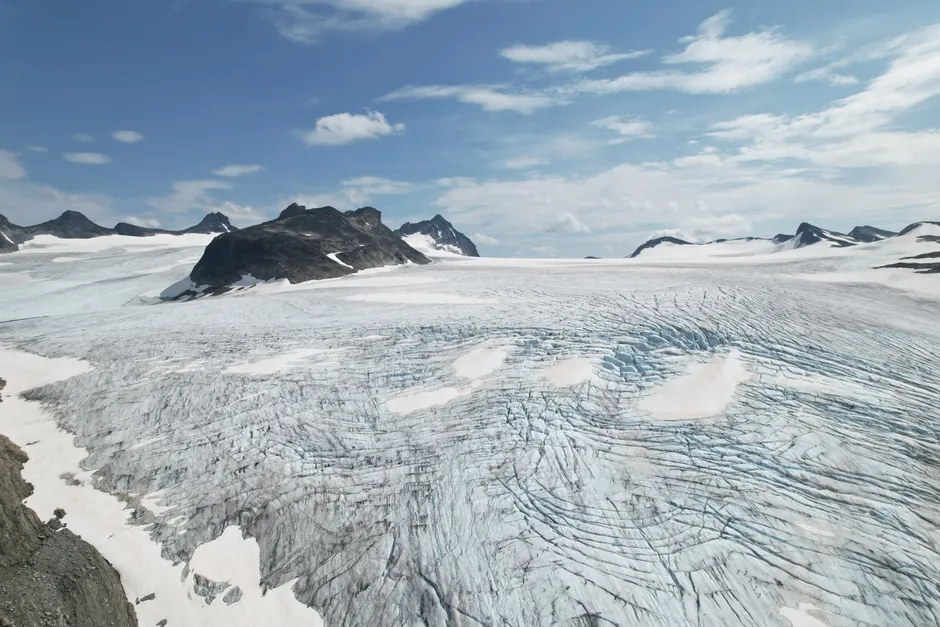
The broader context here is the increasing frequency of glacier-related flood events in the Himalayan region, where warming temperatures destabilize glacial formations and create conditions for catastrophic outburst floods. The 26 August event was triggered by a glacier collapse rather than a monsoon-driven cloudburst or a glacial lake outburst flood (GLOF) in the conventional sense, though the downstream mechanics — debris-choked channels and artificial lake formation — follow patterns familiar from prior Himalayan flood disasters. What distinguishes this event is the scale of cross-border impact, the concentration of foreign nationals in the affected corridor, and the secondary breach risk that keeps downstream communities under threat even as the initial rescue operation continues.
The combination of mass casualties, large numbers of missing foreign nationals from five countries, and a live secondary flood risk places this disaster at the intersection of humanitarian emergency and consular crisis management for multiple governments simultaneously. The continued rainfall driving inflows into the artificial lake means that the operational picture could deteriorate further before it stabilizes.