Nepal's Glacial Collapse Flood: A Disaster Still Unfolding
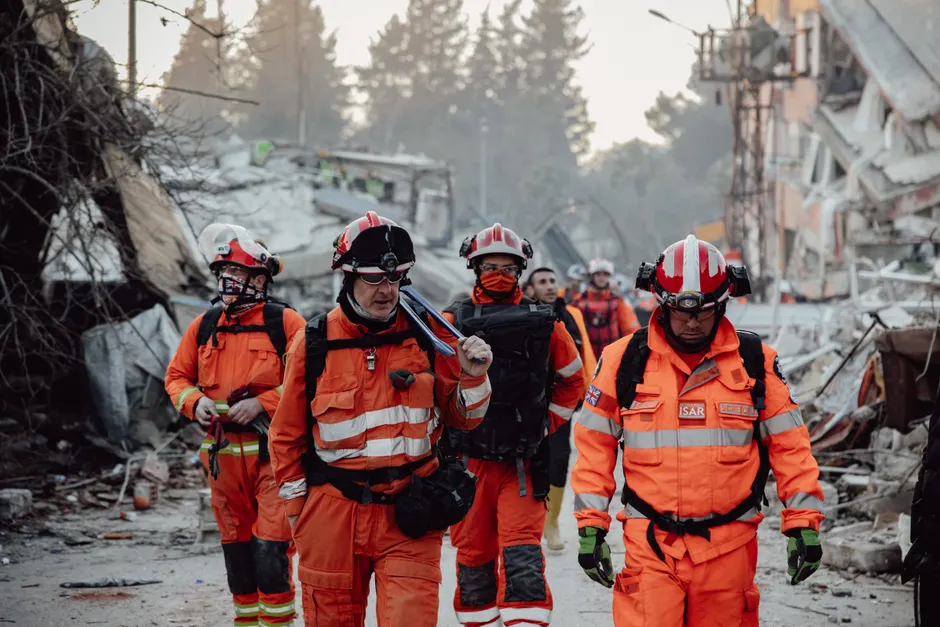
Nepal's disaster authority has confirmed 781 deaths and 2,502 people missing as of August 30, 2026, after a glacial collapse sent catastrophic floodwaters rushing through Himalayan valleys along the Nepal-China border. Authorities have begun mass burials of unidentified victims, with nearly 100 bodies interred so far, according to the Herald Tribune.
Reuters independently confirmed the glacial collapse as the trigger and reported roughly 750 deaths with more than 3,000 missing, noting that Nepal has started mass burials as families continue searching for loved ones.
The death toll has climbed sharply over the final days of August. On August 27, Reuters reported 359 confirmed deaths and nearly 1,000 missing. By August 29, CNN placed the confirmed death toll at 750 with more than 3,000 missing. The Hindu reported 768 deaths and over 2,500 missing by August 30.
The discrepancy in figures across sources reflects the sheer difficulty of counting casualties in an active disaster zone spread across remote, high-altitude terrain. Nepal's disaster authority provides the official count of 781 dead and 2,502 missing, while international wire services report slightly varying numbers based on their own reporting and sourcing.
The broader context here involves how a glacial collapse produces downstream flooding. A glacial collapse releases stored ice and water downstream with little warning. In steep Himalayan valleys, the effect is amplified, producing a surge front — a fast-moving wall of water and debris — that can overwhelm settlements and infrastructure far from the collapse site itself. Think of it as a dam suddenly giving way, except the dam is made of ice and rock perched thousands of meters above the valleys below.
For those tracking this disaster, two variables matter most. The first is the missing-persons figure: at 2,502 per the official count, or over 3,000 per Reuters and CNN, it suggests the final death toll could rise substantially. The second is the cross-border impact, since the flooding affected areas along the Nepal-China border.
The initiation of mass burials signals a shift in the operational phase of the disaster response, from search-and-rescue to recovery and management of remains. Nearly 100 bodies have been buried in mass ceremonies so far, per the Herald Tribune report.
The confirmed trigger, a glacial collapse, places this event within the pattern of high-altitude hydrological disasters in the Himalayan arc. With deaths already exceeding 780 and missing persons in the thousands, it ranks among the most lethal flash flood events in Nepal's recent history.


