Nepal's Flash Floods: 475 Dead, Hundreds Trapped in Hydropower Tunnel

The Nepali Army rescued 350 workers and local residents from a hydropower tunnel in Rasuwa, Nepal, on Friday 28 August 2026, as the country's death toll from catastrophic flash flooding climbed to 475, according to local police (BBC News; South China Morning Post; The Guardian).
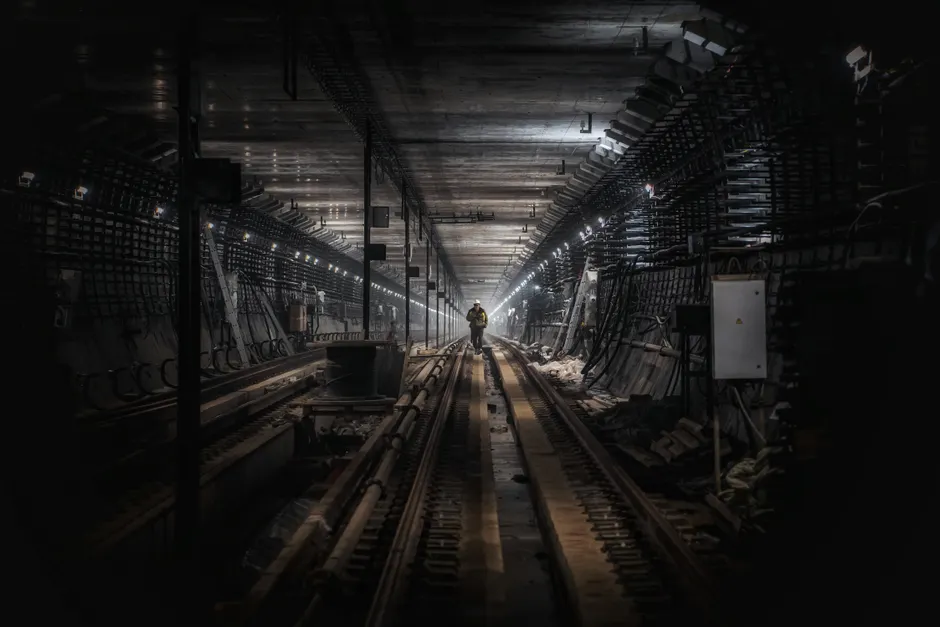
Army helicopter rescue teams continued operations on Friday to reach an estimated 100 people still trapped inside the same tunnel at the hydropower project, officials indicated in a Thursday update (The Hindu; BBC News). Footage shared by the Nepali prime minister's office showed soldiers carrying survivors on their backs and crawling across thick slates of mud to reach those still inside the tunnel (BBC News).
The flooding has killed at least 475 people in Nepal, police said on Friday. The toll rose from an earlier figure of 469 reported by Reuters, reflecting the rapidly escalating human cost as rescue and recovery operations entered their third day (BBC News; Reuters).
The number of missing persons has grown dramatically as the crisis has unfolded. Reuters reported that nearly 1,500 people were unaccounted for in the Nepal floods as the death toll rose. Earlier reporting from the wire service, dating to around 1 August 2026, had placed the missing at more than 1,000. The Himalayan flood has also affected areas in China, with Reuters reporting hundreds killed and more than 1,000 missing across both Nepal and China (Reuters; Reuters).
The Rasuwa tunnel rescue illustrates a particular danger: infrastructure projects in Himalayan river valleys face extreme risk during sudden flood events. Hydropower tunnels are designed to channel water through mountain terrain, essentially acting as artificial channels carved through rock. When flash floods surge through them with little warning, these passages become lethal traps. The fact that more than 100 people were inside a single tunnel when floodwaters hit points to the scale of the workforce present at the site and the speed with which the deluge overwhelmed normal safety margins.
The broader context here is the vulnerability of Nepal's hydropower sector to Himalayan water hazards. The country has aggressively developed run-of-river and storage hydropower projects along its northern river systems. Run-of-river projects generate electricity by using a river's natural flow rather than storing water behind a dam, while storage projects hold water in reservoirs. Many of these rivers originate in glacier-fed catchments across the border in Tibet. Flash floods in these systems can travel downstream with devastating speed, and the mountainous topography leaves limited evacuation routes for workers at project sites. The scale of the missing persons figure, approaching 1,500, suggests that the impact extends well beyond the Rasuwa tunnel to communities and infrastructure across multiple river basins.
The rising death toll trajectory, from the earlier figures through to the current 475, combined with the still-growing number of missing, indicates that the full scope of the disaster may not yet be fully captured. Third-day rescue operations in flash flood scenarios typically shift from survival rescues to body recovery, though the tunnel environment complicates this calculus. Enclosed spaces can preserve air pockets and shelter survivors from the full force of floodwaters, which may explain the sustained rescue effort at the Rasuwa site even as the overall operation enters its third day.
The involvement of the prime minister's office in disseminating rescue footage signals the political stakes of the operation for Nepal's government. Large-scale natural disasters in mountainous terrain test the capacity of military and civilian emergency services, and the public messaging around rescue efforts can shape perceptions of governmental competence in the aftermath. The Nepali Army's role as the primary rescue force is consistent with its standing domestic emergency-response mandate.
Cross-border dimensions add a layer of geopolitical complexity. The flooding has affected both Nepal and China, and Himalayan river systems traverse contested and sensitive border regions. The scale of casualties reported on both sides of the border raises questions about upstream conditions, early warning systems, and information-sharing between the two countries on transboundary water hazards — rivers and watersheds that cross national borders, where flooding in one country can quickly affect another. Reuters' reporting on the combined death and missing tolls across Nepal and China suggests the disaster's footprint spans the watershed rather than being confined to one country's territory.
For regional analysts and disaster-response professionals, the key metrics to watch are the final death toll, the resolution of the missing persons count, and whether any additional flood threats materialize. The Hindu's live updates referenced a fresh flood threat from glacier collapse, which, if verified, would compound an already severe humanitarian crisis. The interaction between glacial dynamics and monsoon-season flooding in the Himalayas remains an area of acute concern for downstream communities and infrastructure operators across the region.