Nepal's Tunnel Rescue and the Wider Flood Crisis: What We Know

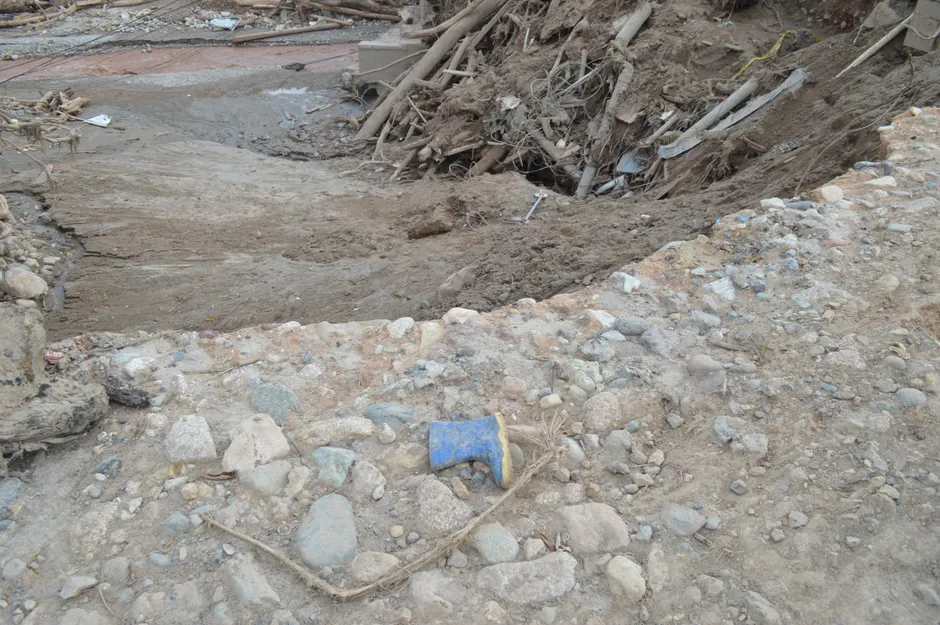
Nepali soldiers rescued around 100 people from a flooded hydropower tunnel on August 28, 2026, as the death toll from the Nepal-Tibet flash floods kept rising. The rescue is part of a broader catastrophe: approximately 900 people remain reported missing from hydropower projects across Nepal after flash floods struck communities on both sides of the Nepal-China border (The New York Times).
The Prime Minister's Office reported that 350 people had been pulled from the tunnel, but more than 100 remained trapped as operations continued (Fox News). The gap between the 350 officially rescued and the roughly 100 evacuated by soldiers likely reflects the multi-agency nature of the operation, with civilian and military teams working separate sections of the tunnel system. Nepal's armed forces have historically led high-altitude and flood rescue, given the country's limited civilian disaster-response infrastructure.
The 900 missing figure, reported by The New York Times on August 29, covers people unaccounted for across multiple hydropower projects, not just the single tunnel that dominated rescue headlines. This is a critical distinction. The scale suggests the floods overwhelmed several work sites at once, pointing to a flood wave or series of waves that affected a broad swath of river basin rather than an isolated infrastructure failure.
Hydropower tunnels are especially vulnerable to sudden water influx. These structures are bored into mountainsides to channel river water to turbines, and they become deadly traps when upstream floodwaters surge faster than workers can evacuate. Those deepest in the tunnel face the highest risk, since floodwaters typically enter from the intake side and push toward the downstream exit. The tunnel's diameter, ventilation shafts, and any intermediate escape passages all determine survivability.
The Nepal-Tibet flash floods add a cross-border dimension that complicates both rescue and accountability. Flash floods originating in Tibet and sweeping downstream into Nepal involve rivers that cross one of the most politically sensitive borders in Asia. Nepal sits between China and India, and its river systems receive inflow from both upstream Tibetan plateaus and downstream Himalayan catchments. When flood events cross this border, data sharing, early warning notifications, and coordinated response become matters not just of disaster management but of bilateral diplomacy.
The broader context here is that Nepal has aggressively expanded its hydropower sector over the past two decades, positioning itself as a renewable energy exporter to both India and China. That expansion has brought large workforces into remote river valleys where flood risk modeling is often based on limited historical data. Climate scientists have repeatedly warned that Himalayan glacial lake outburst floods (sudden releases of water when a glacial lake's natural dam fails) and extreme precipitation events are increasing in frequency across the region, raising the probability that hydropower infrastructure will encounter flood conditions beyond its design parameters. The August 2026 floods will intensify scrutiny of whether Nepal's hydropower siting and tunnel safety regulations account for these shifting hydrological baselines.
The rising death toll, reported by France 24 as rescue operations were still ongoing, indicates that not all those trapped survived the initial flooding (France 24). The exact number of fatalities remains fluid as teams reach deeper sections of the tunnel and as the broader missing-persons count across multiple sites is reconciled.
What remains unclear is the proximate cause of the flash floods themselves. Without verified reporting on whether the flooding resulted from a glacial lake outburst, a cloudburst (an intense, localized burst of heavy rainfall), a landslide-dam breach, or a combination of these, the disaster's full implications for Nepal's hydropower safety framework cannot yet be assessed. Each mechanism carries different predictive indicators and different mitigation strategies. A glacial lake outburst demands upstream monitoring and early warning systems; a cloudburst requires real-time meteorological alerting; a landslide dam breach calls for geotechnical surveillance of unstable slopes along river corridors.
For now, the operational picture is one of ongoing rescue, a mounting missing-persons toll that spans multiple sites, and a death count that is still climbing. The 900 missing figure is the most consequential number in this event, and it will take days, possibly weeks, to determine how many of those people are alive, stranded at inaccessible work sites, or deceased.