Nepal Rescue Narrows to Three Tunnels Where 121 Workers May Be Trapped

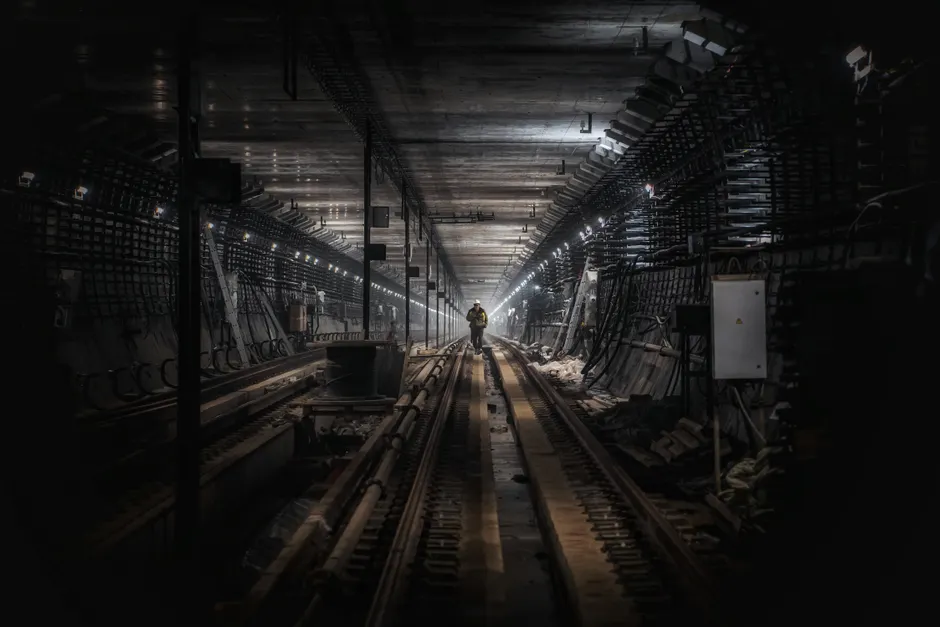
Army rescuers in Nepal estimate that about 121 of 900 missing workers may be trapped inside hydropower tunnels, with operations on Sept. 8 focused on three tunnels including the Chilime and Upper Trishuli 3A projects Reuters.
The focus on three sites reflects a narrower search. The Army puts the underground total at about 121, out of 900 workers listed as missing in the flood-hit region. That total is an update. On Aug. 31, teams were reported to be seeking 933 workers missing from 11 hydropower projects in the flood-hit region Reuters. The Sept. 8 assessment lowers the figure to 900 missing while naming the smaller group believed to be in tunnels.
Interest in the tunnels grew after two workers were pulled alive from the Trishuli 3A hydropower tunnel nine days after they were trapped The Guardian. They were the first to be rescued from among at least 900 people thought to be trapped in hydropower projects Reuters.
The two men were found at a depth of 170 metres The Guardian. Officials identified them as a mechanical foreman and a mechanical supervisor at the Trishuli 3A plant NPR. They had survived nine days in an air pocket, a trapped bubble of breathable air, beneath the wreckage of the tunnel Kathmandu Post.
Three tunnels are now the operational priority. More than 700 other missing workers are not, under the Army assessment, believed to be in those underground workings, which leaves open where they were when contact was lost and what kind of search they require.
Looking at what this means for the response, the nine-day survival extends the time that continued tunnel work can be justified, even as debris, incoming water and depth limit access and air. Concentrating on Chilime and Upper Trishuli 3A suggests planners have reason to pick those tunnels, whether from headcounts, last-known positions or signals from underground.
In my view, the figures show the risk when large crews are spread across run-of-river sites, which use natural river flow, and storage sites, which hold water behind a dam, in steep valleys. Eleven projects with missing workers points to crews spread across a wide area hit by one flood. The tunnel group is smaller but harder to reach, and it will use most specialist resources while the wider search continues.