Nepal Floods: Rescue Effort Targets Trapped Hydropower Workers as Death Toll Tops 1,200
Nepali authorities said on September 3, 2026, that they are "confident" dozens of workers trapped in an underground chamber of the Rasuwagadhi hydropower plant are still alive, more than a week after deadly flash floods devastated the country's river valleys. At least 1,252 people are confirmed dead and more than 4,200 remain missing across the affected region, with 639 workers still unaccounted for at hydropower plants built along the Bhote Koshi and Trishuli rivers.
The floods were triggered by the collapse of a melting glacier on the border between Nepal and China-controlled Tibet. The resulting flash floods reached speeds of up to 100mph (160km/h) and travelled more than 60 miles down the river valley, overwhelming multiple hydropower installations in their path. A preliminary estimate by the UN Development Programme found the disaster generated at least 2.2 million tonnes of debris, including building parts, rocks, and sediment.
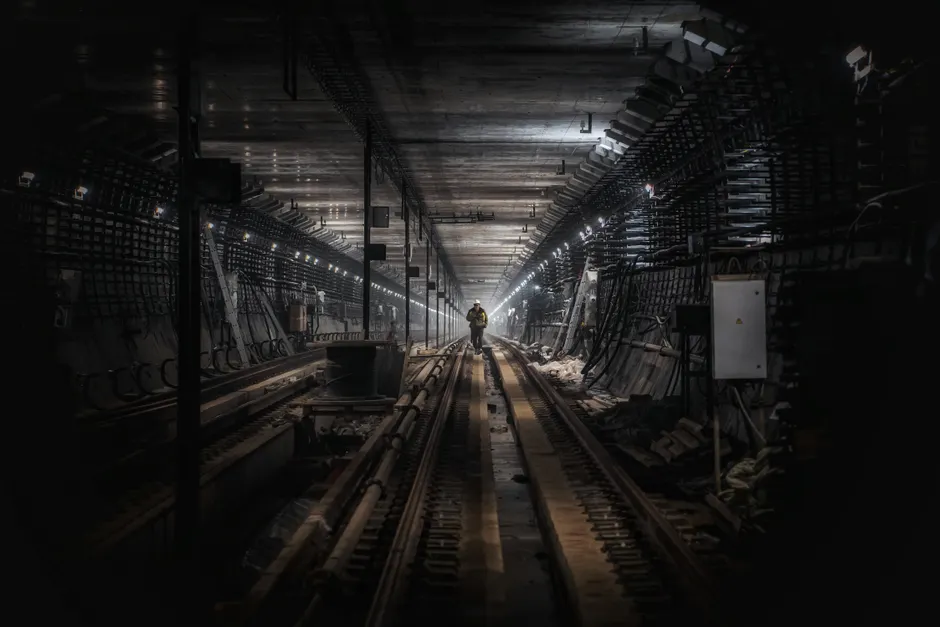
Nepali officials believe 46 people remain alive in an underground room at the Rasuwagadhi facility and are deploying excavators and heavy equipment to reach them. Amhsu Kiran Shahi, a board member of the Nepal electricity authority, said officials were confident the trapped workers survived because they had access to food and water in the building. The Rasuwagadhi hydroelectric project sits in Rasuwa district, roughly three miles from the border with Tibet, and is nearly inaccessible except by helicopter.
Major rescue operations are under way or planned at four hydropower projects. The Rasuwagadhi project and the Upper Trishuli 3A facility, where roughly 90 people are missing, offer the strongest prospect of finding survivors due to air pockets inside the tunnels. At Upper Trishuli 3A, rescue workers took nearly six days to locate the tunnel entrances because of thick mud blocking access. More than 270 people have been rescued from hydropower projects across the affected zone so far.
Nepal's Home Minister Sudan Gurung said in a statement that more than 100 workers may still be alive and trapped inside tunnels at the hydropower projects. Rescue teams have deployed thermal drones to survey tunnel interiors; one drone captured footage inside a Rasuwa district hydropower tunnel showing no signs of life, though the same technology helped teams reach at least three workers. A filmmaker was brought in to fly drones deep into the tunnel networks as part of the search effort.
The scale of the disaster has evolved significantly in daily reporting. As of August 31, The Guardian reported rescue teams working to reach more than 900 missing hydropower workers, hundreds of whom were feared trapped in tunnels. Channel 4 News and the Associated Press reported similar figures, with AP estimating that about 900 workers were missing from 12 hydropower projects buried under mud and debris, with approximately 500 believed trapped. By September 1, the BBC reported more than 3,900 people missing overall, with over 600 workers believed trapped in a vast network of mud-filled tunnels. The most recent figures from September 3 place the overall death toll at 1,252 confirmed dead, more than 4,200 missing, and 639 hydropower workers still unaccounted for.
The broader context here is the intersection of glacial retreat (the melting and shrinking of glaciers, often driven by rising temperatures), high-altitude infrastructure, and transboundary water governance — meaning the management of rivers that cross national borders. The glacier collapse occurred on the Nepal-Tibet border, so the hazard originated upstream in Chinese-controlled territory before cascading into Nepali river systems where the hydropower projects sit. This transboundary dimension complicates early warning: Nepal's hydropower installations along the Bhote Koshi and Trishuli rivers are built in steep, narrow valleys that amplify flood velocity, and their proximity to the border leaves minimal lead time between an upstream glacial event and downstream inundation.
The 100mph flood speeds and 60-mile travel distance reported in this event are consistent with the physics of glacial lake outburst floods (GLOFs). A GLOF happens when a natural dam holding back a glacial lake fails, releasing a massive wall of water and debris. These flows can carry far more destructive power than conventional river flooding because they are dense with rock, sediment, and building material. The 2.2 million tonnes of debris estimated by the UNDP also has direct implications for recovery operations. Debris of that volume, saturated with mud and rock, renders tunnel access extraordinarily difficult, as the six-day delay in locating the Upper Trishuli 3A tunnels shows. The same debris field will complicate reconstruction and environmental remediation for months or years.
For Nepal's hydropower sector, the disaster strikes at infrastructure that is central to the country's export-oriented energy strategy. The Rasuwagadhi and Upper Trishuli 3A projects are not isolated facilities; they are part of a dense cluster of dams and run-of-river stations (plants that generate electricity from the natural flow of a river rather than a large reservoir) along rivers originating in the Tibetan Plateau. The fact that 12 hydropower projects were simultaneously affected, as reported by AP, points to a cascading failure across an entire river basin rather than a single-site incident. That distinction matters for how investors, engineers, and policymakers assess systemic risk in Himalayan hydropower going forward.


