A Principal's Split-Second Decision Saved 900 Children as Nepal's Floods Swept Away His School

Rajendra Dawadi, a 47-year-old school principal and English teacher in Nepal, rang the school bell and ordered a full evacuation of Tribhuvan Trishuli Secondary School as floodwaters rose rapidly, saving at least 900 children who were inside the building at the time. The school itself was swept away by the flooding shortly after the evacuation. Associated Press
Around 900 children were already inside the school when Dawadi gave the order to evacuate. The speed of his decision, made as water levels climbed, proved decisive: the building was destroyed in the deluge that followed. Associated Press; Washington Post
Dawadi's actions unfolded against the backdrop of catastrophic flash flooding across Nepal that has claimed at least 469 confirmed lives, with more than 1,300 people remaining missing. The flooding struck Nepal's Rasuwa and Nuwakot districts with particular severity. CARE
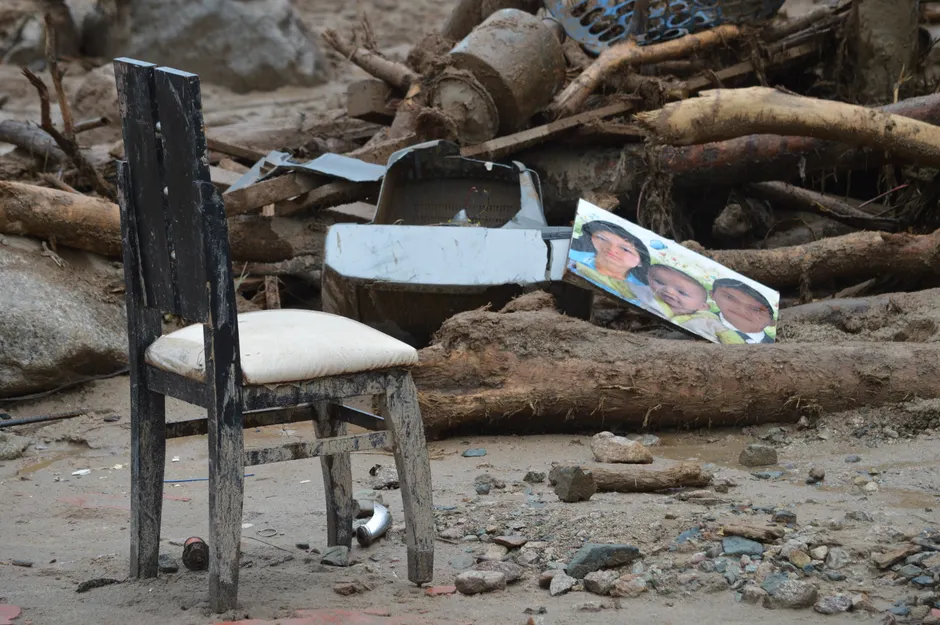
The disaster destroyed many schools across the country, according to the Associated Press, compounding what is already a humanitarian and infrastructure crisis. The full scale of damage to educational facilities remains under assessment, but the loss of Tribhuvan Trishuli Secondary School, which served roughly 900 students on the day of the flood, shows the extent of institutional destruction in the affected districts. Associated Press
Dawadi's case stands out because the outcome could have been catastrophic. With 900 children inside a building that was subsequently destroyed, the margin between a mass casualty event and a full evacuation came down to one person's decision to act before the water made that decision impossible. Associated Press
His action also points to a structural vulnerability: in flood-prone regions, schools often serve as gathering points precisely when communities are most at risk. When the hazard reaches the school itself, the building's occupants can become concentrated casualties rather than dispersed survivors. The destruction of numerous schools across Nepal means that the country now faces not only an immediate toll of dead and missing but a longer-term disruption to education in districts where school infrastructure has been wiped out. Associated Press
Other incidents during the flooding show how thin the margin of survival was for Nepal's schoolchildren. A group of students survived the floods because they happened to leave their classroom for their lunch break at the moment the waters struck. Associated Press
On 28 August 2026, nine Nepali schoolchildren who had been stranded at their school for two days by the flash flooding were reunited with their families. Save the Children Those reunions point to the downstream consequences of infrastructure failure: with roads, bridges, and communications damaged, children separated from their families during the floods faced extended periods of displacement even after the immediate danger of rising water had passed.
The flooding in Rasuwa and Nuwakot districts adds to Nepal's recurring exposure to monsoon-season disaster risk. The confirmed death toll of 469, with over 1,300 still missing as reported by CARE on 28 August, positions this event among the deadliest flash flood episodes the country has faced in recent years. CARE
What sets Dawadi's evacuation apart from the broader emergency is the element of individual agency within a systemic crisis. Nepal's disaster response framework, like those of many countries in the Hindu Kush-Himalayan region, relies on early warning systems, community-level preparedness, and infrastructure resilience — essentially the ability of roads, buildings, and communication networks to withstand extreme weather. When those systems fail or prove insufficient, the burden shifts to individuals on the ground: school principals, teachers, local officials, who must make rapid decisions with lives in the balance. Dawadi's judgment call, made in the window between rising water and structural collapse, saved an entire student body.
The broader context here raises practical questions about where those 900 students will continue their education. With multiple schools destroyed across the country, Nepal's recovery will need to address not only immediate humanitarian needs — shelter, food, medical care — but the reconstruction of educational infrastructure in districts where the physical fabric of schooling has been erased.