Gold Dips as Rate Expectations Cap Volatile September
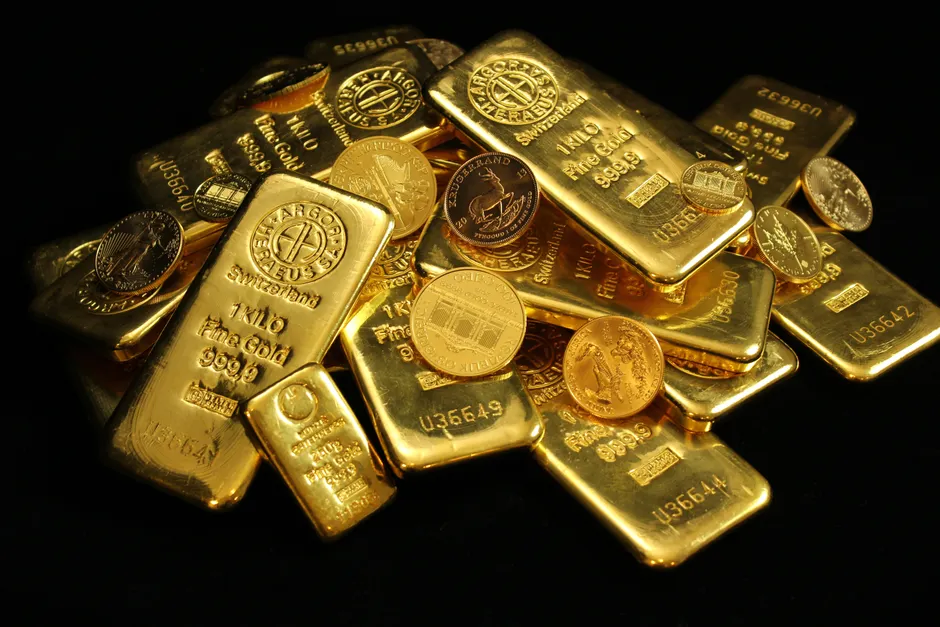
Gold edged lower in early Asian trade on September 21, 2026, as investors waited for fresh clues from central banks on interest rates. The move was reported at 0005 GMT. The Wall Street Journal
Prices could stay capped on expectations of tighter U.S. monetary policy, the central bank's control of borrowing costs. Markets were pricing one more U.S. rate hike in 2026. The Wall Street Journal
Trading has been choppy. Spot gold, the price for immediate purchase, was down 0.1% at $4,293.29 per ounce as of 1:45 p.m. EDT on September 15, while U.S. gold futures, agreements to buy later at a set price, settled 0.4% lower at $4,332.80. Reuters
The next session swung harder intraday. Spot gold climbed more than 1% to a session high of $4,365.57 before falling to trade down 1.2% at $4,240.1 per ounce as of 3:10 p.m. ET (1910 GMT) on September 16. Reuters
That weakness followed early-month strength. Spot gold rose 1.1% to $4,376.41 an ounce by 01:57 p.m. EDT (1757 GMT) on September 2. Reuters On September 3, spot gold rose 2.3% to $4,488.54 per ounce by 02:04 p.m. ET (1804 GMT), after touching its highest since August 28 earlier in the session. Reuters
September levels were below the high set earlier in the year. The Wall Street Journal reported gold reached $4,600.50 per troy ounce, the standard weight for precious metals, described as a record high, driven by a criminal probe into Federal Reserve Chair Jerome Powell. The Wall Street Journal
Forecasts from July pointed to lower averages than the spot highs. Reuters reported on July 28, 2026 that gold was expected to average $4,509 per ounce in 2026, with silver expected to average $71.9 per ounce in 2026. Reuters
The central bank picture looks different after counting price changes. The IMF assessed that gold's re-emergence as a prominent part of central bank reserves largely reflected valuation gains from higher gold prices rather than large-scale accumulation. IMF
Subdued sessions are not new. In January 2019, The Wall Street Journal reported gold prices inched lower on a Thursday, continuing subdued trading while stocks and the dollar stayed steady.
The broader context here matters for savers and borrowers. When policy stays tight for longer, interest-paying cash and bonds compete harder with gold, which pays no interest. Safety buying tied to institutional uncertainty can still lift prices intraday, which fits highs fading into lower closes before rate decisions.
In my view, the gap between price effects and new buying deserves weight. If reserve shares rise mainly because existing gold is worth more, fresh buying on dips may be thinner than headline shifts imply. That leaves spot sensitive to front-end rate repricing, dollar funding conditions and the spot-futures gap, rather than a steady structural bid. A $4,509 average then reads less as a ceiling and more as averaging across a wide range.