Philippines Driver Strike: Fuel Prices, Fuel Taxes, and What Comes Next
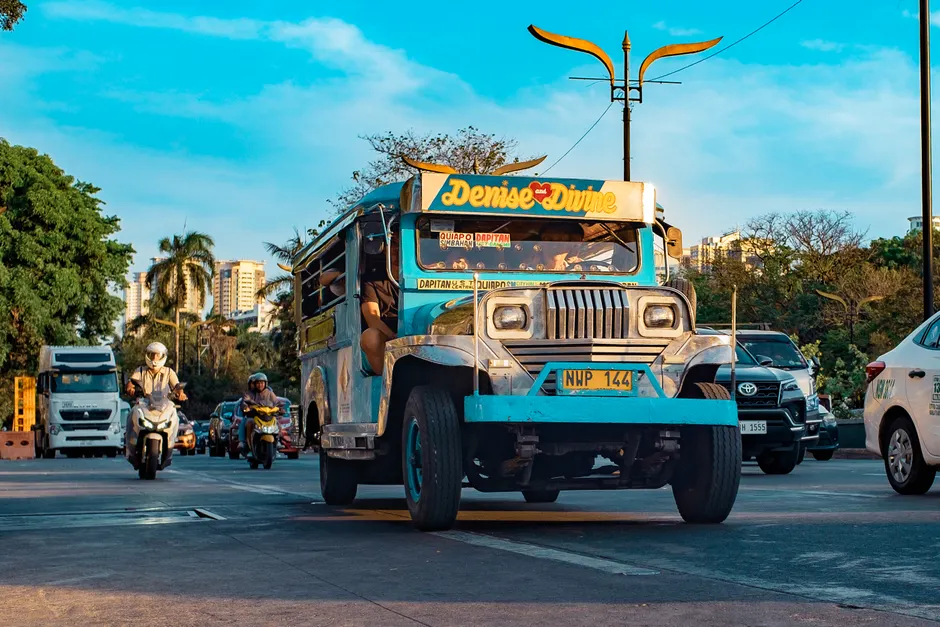
At least 70,000 drivers of informal public transport stopped work in the Philippines on Tuesday, September 29, 2026, in a two-day strike organized by the transport union Piston over rising fuel prices. Al Jazeera
The action runs September 29-30. Organizers describe it as nationwide. Piston said at least 70,000 drivers and operators would join. Its central demand is a cut to 55 pesos ($0.88) per litre and a halt to further increases.
Piston also calls for removal of two fuel taxes — the value-added tax, a percentage added at sale, and the excise tax, a fixed charge per litre. Together they work like two extra layers on the pump price. Manibela, a separate transport group that held its own strike on Monday, seeks similar relief from rising costs and removal of the same two taxes.
In Manila, disruption was limited. National police spokesman Allen Rae Co said officials monitored 11 rallies involving 275 people in the capital. Police deployed 8,643 personnel to help commuters and keep order. The Department of Transportation offered free rides to passengers on Tuesday. In the southeastern Bicol region, authorities sent buses to help affected commuters.
Manibela held its stoppage on Monday over fuel price hikes, then paused Tuesday for dialogue with the Land Transportation Office, the agency that regulates transport. Piston's walkout started Tuesday as those talks began.
The Philippines last increased fuel prices on August 25. Prices had risen for three consecutive weeks before relief as of September 29, with diesel rolled back by up to P7.57. Inquirer In March, the Philippines declared a national energy emergency over fuel price increases.
Piston blamed the US-Israel war on Iran for rising prices. Members of Manibela said Monday's strike protested hikes linked to the conflict in the Middle East.
The broader context here is how a distant war reaches daily travel in the Philippines. The strike pairs two demands. A rollback to a set price would ease the immediate burden on drivers and operators. Removing the taxes would change the pricing system itself, which raises questions about government revenue and how relief is funded.
Looking to the next phase, timing keeps pressure on regulators while talks continue. Two factors will shape what happens. One is whether participation holds through the second day, and whether free rides and regional buses limit disruption for commuters. The other is whether dialogue with the Land Transportation Office produces concessions that bridge the separate Piston and Manibela tracks, or whether staggered actions continue alongside fuel-price decisions and the emergency framework from March.


