Spain Approves Housing Measures After Madrid Eviction, but Parliament Must Decide

Spain's coalition government approved new housing measures on 29 September 2026 after protests over the eviction of an 87-year-old woman in Madrid last week. Spanish ministers met on Tuesday to discuss the housing proposals BBC. Parliament must still approve.
The proposals include a possible ban on evictions until 2030, according to Health Minister Mónica García. García said the measures would bring relief to more than five million people BBC. The ban remains a proposal.
Agreed measures include a rollover of rental contracts until 2028 (meaning leases automatically continue), stricter regulation of short-term and room rentals, and a ban on the purchase of housing by investment firms BBC. Socialist Housing Minister Isabel Rodríguez was set to give further details at a news conference later on Tuesday. The government listed a live press conference after the Council of Ministers on 29 September 2026.
Spain's minority government is made up of the ruling Socialists and junior partner Sumar and lacks a majority in parliament. The new measures need parliamentary approval. The government has 30 days from the decree's publication (a decree is a temporary government order that needs a parliament vote to stay in force) to reach an agreement in parliament BBC. The vote is not guaranteed.
Maricarmen Abascal, 87, had lived in her Madrid apartment for decades Fortune before her eviction. She was admitted to hospital after being forcibly removed from the apartment on a stretcher BBC. Her lawyer said she would be allowed to return after reaching a deal with the company that owns it on Monday. Abascal was unable to attend the meeting and had yet to sign the deal.
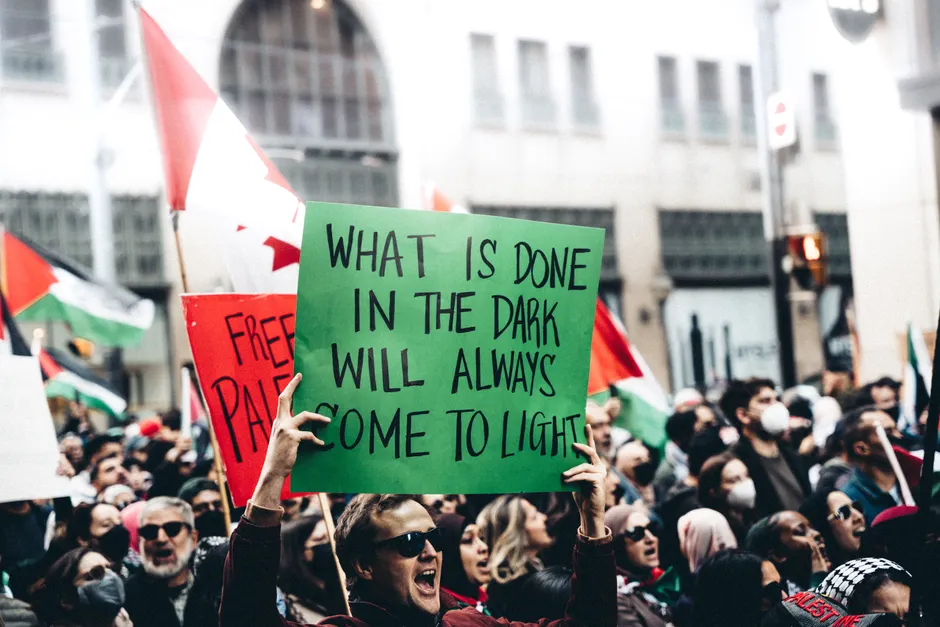
After the eviction, protesters set up an encampment in Puerto del Sol in central Madrid that grew to include hundreds of people. About 30,000 demonstrators marched through Madrid on Saturday Sky News. Protests also took place in Barcelona, Seville, Malaga and Cadiz BBC.
Spain already operates a layered housing policy framework. The Plan Estatal de Vivienda covers 2026-2030 and pursues a dual objective in the promotion of protected housing (homes with capped prices or rents). Sepes will manage Sareb assets (properties held through Spain's bank-rescue system) to make them available as affordable rentals. A separate housing aid program for victims of gender-based violence provides up to 600 euros per month and up to 100 percent of the rent or price of the housing solution found.
The broader context here is how a decree-led response interacts with a fragmented parliament. Approval by ministers starts the clock. It does not settle the law. With 30 days for validation, the coalition must negotiate with parties outside the Socialist-Sumar bloc. One reference point is the pro-Catalan independence party Junts, for whom Míriam Nogueras is spokeswoman. For experts, the negotiation will clarify scope, duration and enforcement.
Looking at what this means for implementation, several definitions will matter. Contract rollover sounds simple. Practice is complex. The same applies to regulation of short-term and room rentals, where boundaries determine impact, and to limits on purchases by investment firms, where legal design determines durability. A claim of relief for more than five million people sets a political benchmark. Parliamentary talks will test it. Details from the Housing Ministry will receive close attention.