Spain Rejects Housing Decrees as Rent Protests Grow and Election Talk Builds

Spain's Congress rejected two government housing decree-laws on October 2, 2026, while thousands of protesters stayed in the streets after the vote. ABC News
Lawmakers were asked to validate the two decree-laws, which the government had presented in response to nationwide housing protests. Congress voted them down. A decree-law works like a fast-track order. It takes effect quickly but must be approved by Congress to stay in place. The defeat left Prime Minister Pedro Sánchez without the measures he had put forward to address the crisis. BBC
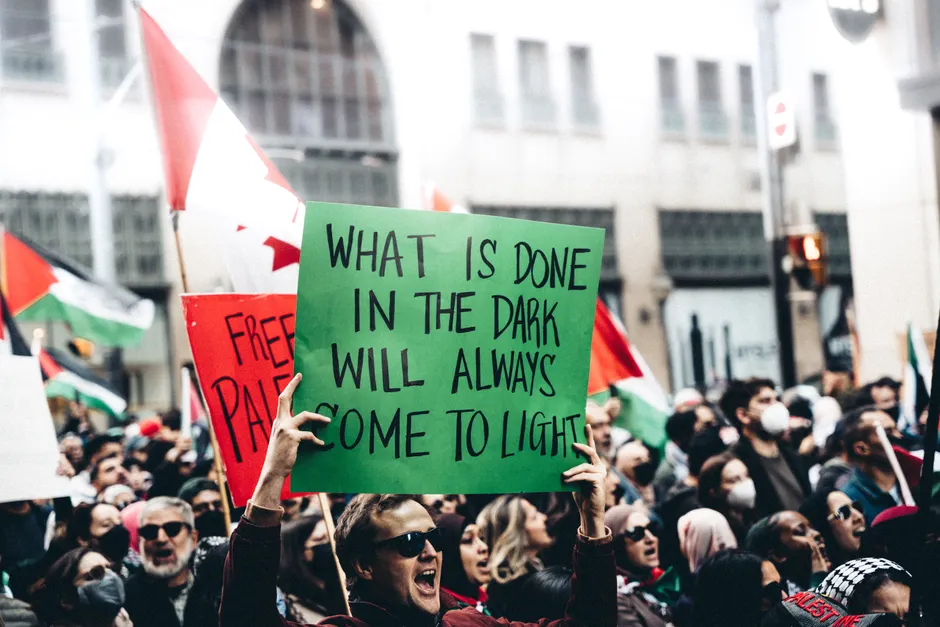
On October 2, protesters marched on Parliament to demand help for renters. More marches were planned in Madrid after the rejection, and thousands continued to protest across Spain. Rents have risen sharply in recent years. The central demand on the streets is for affordable rentals. BBC
The nationwide mobilization followed the eviction of 87-year-old Maricarmen Abascal from her home. She could not pay a rent increase set by the company that owns her flat. Her case drew wide attention and was followed by a wider movement demanding affordable rentals. BBC
The loss quickly raised the question of a snap election, an early vote held before the scheduled date. Spanish media speculated that Sánchez could consider moving the general election forward from next year. The next general election is not due until next summer. Sánchez's office did not immediately respond to Associated Press questions about a possible snap election. Pressure on Sánchez to call an early vote followed a series of scandals affecting his party and allies. Associated Press BBC
BBC correspondent Guy Hedgecoe reported from a protest in Madrid on whether the defeat will lead to an early general election, in a video report titled "Will Spain's housing crisis lead to a snap election?" BBC
The broader context here is a clash between street pressure and parliamentary numbers. When validation fails on an issue with visible protests, the government loses both the policy and the claim that it responded quickly. For watchers of Madrid, the key factor is not only rents but whether the executive can pass laws when no single group holds a majority in Congress.
Looking at what this means for Sánchez, housing has become a test of confidence without a formal confidence vote. Calling a vote before next summer would mean weighing timing, scandals, and protest momentum. Waiting carries the risk of more anger if protests continue and rents keep rising. Moving the date forward carries the risk of asking voters to decide before the government can show results on rents. Either way, Abascal's eviction and the demand for affordability stay at the center of debate.