Spain's Parliament Rejects First Housing Decree

Spain's parliament rejected the first of two emergency housing decrees on Oct. 2, 2026. Reuters
The government had sought two votes to confirm an emergency package aimed at the housing crisis. Associated Press The Council of Ministers had approved two royal decree-laws with housing measures on September 29, 2026. La Moncloa A royal decree-law takes effect at once, but parliament must vote later to keep it in force.
Lawmakers voted down an eviction freeze. The government had proposed added protections for tenants. The New York Times This defeat was the first of the two confirmation votes. It left the second decree still awaiting its test.
Separately, the Congress of Deputies had listed a Proposición no de Ley, a nonbinding proposal, to extend indefinitely the pause on evictions and removals for vulnerable households. That text dates to December 2025. It belongs to the longer record on eviction protection. It is distinct from the September 2026 royal decree-laws now up for confirmation.
Opposition grew before the vote. Junts, the Catalan party whose votes often decide whether the government can pass laws, opposed the housing decree. Reuters An ally of the prime minister had also threatened to block the decree as anger over evictions grew. Reuters
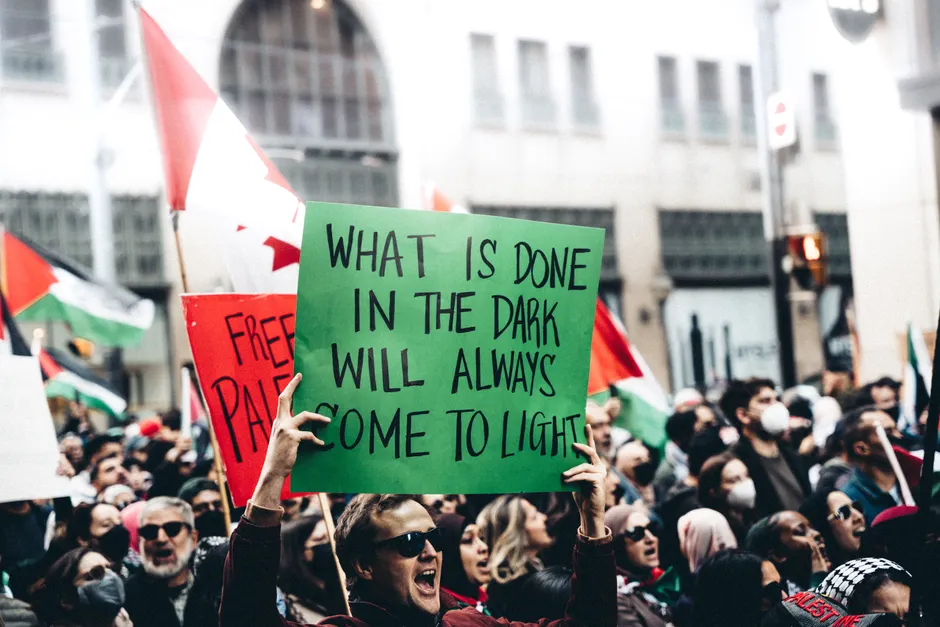
The vote took place during public protests over Spain's housing crisis. Reuters The rejection led to calls for early elections in Spain. The New York Times
The broader context here is dependence on parliament. A government that rules by decree-law accepts a clear risk. It approves the text first, then must rebuild a majority under deadline. When a kingmaker party withholds support, as Junts did here, the process stalls. A threatened defection by an ally makes the count harder. The result is a public list of who will not vote with the executive.
In my view, the choice of housing as the test matters. Protection from eviction, help for tenants, and emergency action speak to core voters on the left and in the regions. Failure thus has a double cost. Policy does not advance. Coalition strains become visible. Protests did not set the vote total, but they raised the price of opposition or abstention for every bloc.
Looking at what this means for the executive, the near-term question is order of steps. One of two decrees has fallen. The second still needs parliamentary treatment. Early-election talk after the first loss shifts incentives around the second. Parties must decide whether to bargain for changes, seek concessions, or keep distance from a weakened government. The measure to watch is whether Madrid can assemble a fresh majority decree by decree, or whether housing is where that method fails.