Spain's Housing Protests Explained: The Failed Vote and Rising Rents
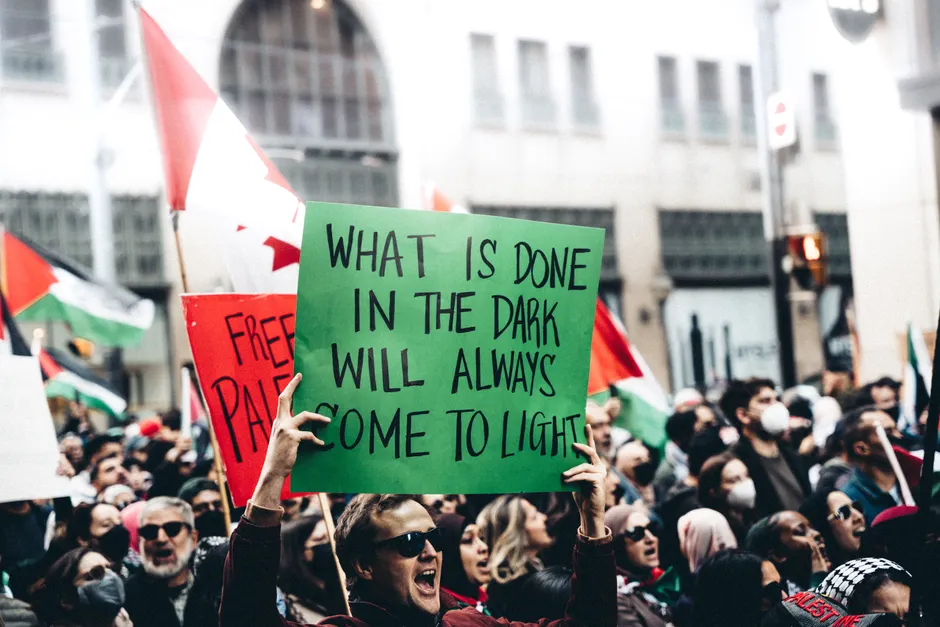
Tens of thousands of people marched in Madrid and 50 cities across Spain on October 3, 2026, one day after parliament voted down the government's emergency housing decrees. The Guardian
The turnout is disputed. Authorities estimated 70,000 protesters on October 3, while organizers estimated 500,000. In Madrid, the protest was organized as four columns starting at 12:00. The four columns converged at Plaza de Cibeles, where thousands gathered. RTVE
Marchers chanted slogans including "Aquí están los antifascistas", "Almeida, escucha, Madrid está en lucha" and "¿Qué pasa? Que no tenemos casa". On October 1, protesters had started a cacerolada in front of Madrid's City Hall, a pot-banging protest that carried into the encampments at Puerta del Sol.
Valencia turned violent. Demonstrators clashed with police, who fired rubber bullets and teargas. About 30 protesters entered Valencia's City of Arts and Sciences before being removed by police.
The defeat in parliament came after a five-hour debate on October 2. Lawmakers narrowly voted down a pair of emergency decrees, fast-track laws that take effect quickly but need parliament's approval, aimed at calming protests over rising rentals. DW The conservative People's Party voted against both decrees, as did the far-right Vox party. Junts also rejected the decrees before the October 3 protests.
The decrees were proposed by Prime Minister Pedro Sanchez's Socialist-led coalition. They included a ban on evictions of vulnerable tenants until 2030 and regulation of temporary lettings and room lettings. The measures were drawn up in part in response to anger over the eviction of an 87-year-old woman in Madrid.
That eviction has drawn much of the protest. Demonstrations across Spain followed the eviction of the 87-year-old woman from her Madrid home, where she had lived for more than seven decades. Reuters She was identified as Maricarmen Abascal, who uses a wheelchair. The investment fund that bought her apartment demanded a 230% rent hike she could not afford. The Guardian
On October 2, hundreds of protesters outside parliament in Madrid held homemade signs bearing images of vultures. After the measures were rejected, protesters chanted "Your profits, our misery". People's Party lawmaker Juan Bravo argued that housing becomes more affordable by building more homes, not through decrees.
Protesters camped out across Spain had demanded passage of the measures. The Community of Madrid demanded that the Government Delegation order the National Police to expel housing protesters encamped at Sol. After the decrees were rejected, housing protest encampments in Madrid and elsewhere pointed toward a general strike, a coordinated stoppage of work.
Rents in Spain surged 80% within a decade, while home prices climbed by 63%. An October 2 poll suggested two-thirds of people in Spain supported government intervention to limit housing prices. Spanish media reported on October 2 that Sanchez may call a snap election, an early vote, for November after the housing legislation failed.
The broader context here is parliamentary arithmetic as much as housing economics. A government that cannot pass emergency decrees on an issue with two-thirds public support faces a narrow path to legislate, especially when opposition comes from both the right and pro-independence allies whose votes it needs. The choice in the debate, between a moratorium and market controls on one side and new construction on the other, leaves little middle ground. For the weeks ahead, three pressure points matter: whether encampments harden into a general strike call, whether policing in Valencia prompts a separate political dispute, and whether talk of a November snap election firms into a decision.


