An 82-Cent Potato Shows How Drone Delivery Works

Wing delivered a single russet potato and a bottle of water by drone from a Walmart Supercenter for 82 cents total.
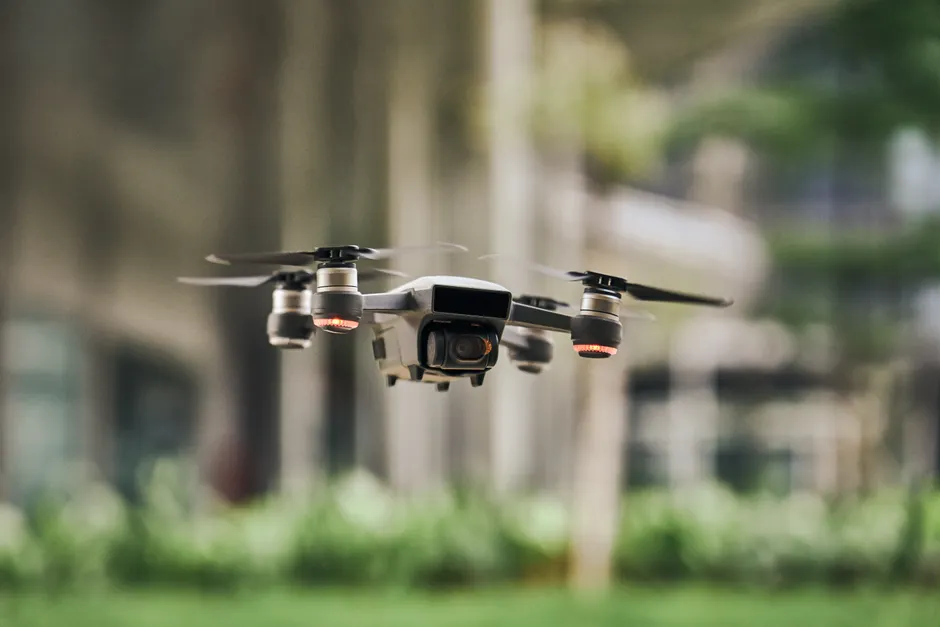
The flight was observed by The Verge and reported on Sept. 30, 2026. The aircraft was the Wing Hummingbird 7000W-B. It weighs less than 15 pounds and uses 16 propellers, four for forward cruise and 12 for vertical lift. Top speed is 60 miles per hour. It can carry up to 2.7 pounds. Its delivery radius is about six miles. The type is authorized by the FAA for beyond-line-of-sight piloting, meaning a remote pilot can fly it beyond direct visual range. The Verge
The operation is built for small retail orders. Wing works with Walmart to deliver household goods by drone in about 25 minutes. The drone-deliverable catalog includes over 2,000 items. Wing charges no delivery fee and has no minimum order, and prices match in-store prices. That structure accounts for the 82-cent total.
The 7000W-B runs on rechargeable lithium-ion batteries, according to FAA documentation. FAA That documentation lists the type at less than 25 pounds, a wider regulatory weight range than the less than 15 pounds cited in the operational report. The FAA has also started work to set the noise certification basis for the Wing Hummingbird 7000W-A, a related variant. FAA
Two recent FAA environmental filings describe where Wing proposed to fly the type at scale. Wing proposed retail package delivery in Central Florida using Hummingbird 7000W-B and 8000-A aircraft. FAA Wing proposed retail package delivery in the Houston metro area using Hummingbird 7000W-B and 8000-A aircraft. The Houston finding was signed Aug. 13, 2026, after a draft environmental assessment released for publication in May. FAA For Houston, each nest, the small base where drones are staged, houses up to 24 aircraft.
Payload depends on which airframe is used. Wing's Hummingbird 8000-A can carry 5 pounds. AvWeb At Walmart, drone delivery maximum payload is about 3 to 8 pounds depending on the drone. Reuters
Wing's company news page lists other deployments. Wing and Walmart brought drone delivery service to Florida. Wing and Walmart named seven new markets for drone delivery service. Wing brought drone delivery service to the Bay Area. Wing partnered with Papa Johns for fresh, hot food delivery by drone. Wing partnered with Apian and the NHS for drone deliveries in South West London. Wing
Regulatory review continues around flight density and noise. The FAA environmental review for commercial drone package rules included review of noise impacts from 1,150 average drone deliveries from a single hub. Reuters
The broader context here is unit economics against system design. An 82-cent delivery with no fee and no minimum does not make money on its own order. It tests automated dispatch, beyond-line-of-sight routing, and nest-based staging. A six-mile radius with 24 aircraft per nest sets a tight service cell. Throughput comes from flight rate and autonomy, not larger payloads.
For operators, the design detail to note is the split between airframes and propellers. Twelve vertical rotors handle takeoff, hover, and winch delivery with redundancy and control. Four horizontal propellers handle efficient cruise at 60 mph. Keeping the 7000W-B under 15 pounds keeps kinetic energy low while moving a 2.7-pound payload. That covers many convenience orders, but not bulk grocery, while the heavier figures above point to parallel airframes for different weight classes.
In my view, the striking part is how ordinary this delivery was. A potato and water is plain cargo. That is the point. When store-price delivery works for low-value, single-item orders, the limits shift to airspace management, community tolerance for noise, and nest placement. If those three are solved, small drones move from demonstration to routine logistics.