Spain's Housing Plan Voted Down as Protests Swell: What to Know

Tens of thousands of people marched across Spain on October 3 after the Congress of Deputies voted down two emergency housing decrees from Prime Minister Pedro Sanchez's government Al Jazeera.
The vote was narrow. The Congress of Deputies is the 350-seat lower house of parliament. Sanchez leads a minority left-wing coalition, and it had presented the two decrees, which are temporary orders that need parliament's approval, as an urgent answer to the housing crisis Al Jazeera. Opposition came from three sides: the centre-right Popular Party and the far-right Vox, plus Junts, the Catalan separatist party whose votes Sanchez often needs to pass laws Al Jazeera.
The first decree paired eviction protection with market rules. It aimed to stop evictions of vulnerable people, curb real estate speculation, or buying to profit quickly, tighten limits on short-term leases, and offer tax incentives for renting and building homes. One clause would have banned evictions of vulnerable tenants until 2030 Reuters. The second decree changed tenancy law. It would have made leases renew automatically when they expired, in effect indefinite, and forced an owner who wanted to end a contract to pay the tenant 12 months of rent Al Jazeera.
Street pressure had built before the defeat. Protests erupted in late September after the eviction of 87-year-old Maria del Carmen Abascal from her Madrid home of 70 years. Her building had been bought by an international investment fund that raised the rent. That sequence turned one case into a national symbol Al Jazeera.
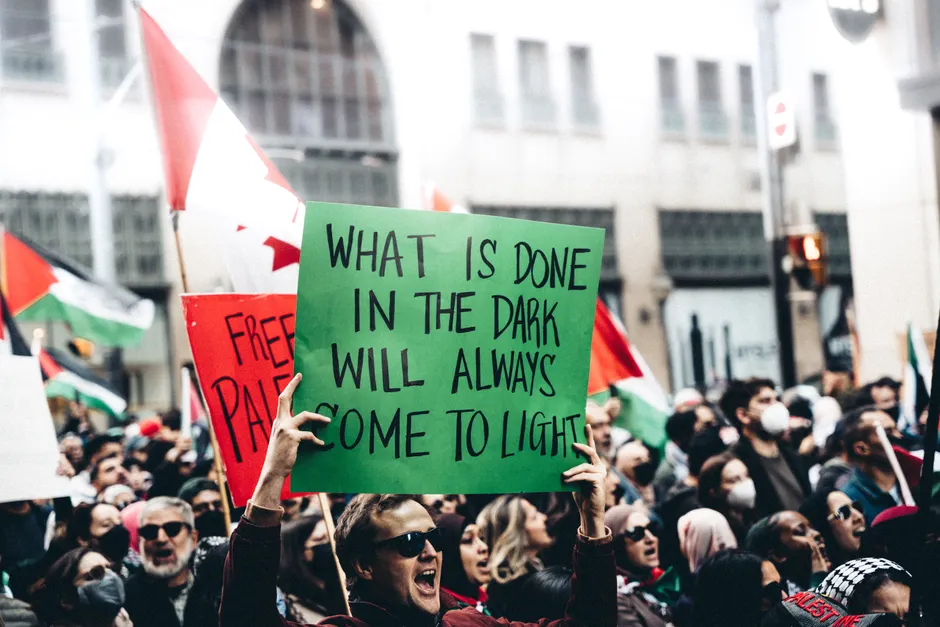
After the vote, mobilization widened. Tens of thousands took to the streets on October 3 Reuters. Protesters stayed camped in Madrid after the rejection, with rallies reported in several other cities.
These decrees were not the government's first housing step this year. On June 2, the Council of Ministers approved two housing agreements to expand the public housing stock La Moncloa. On September 29, it announced agreement on urgent measures including protection against evictions, a ban on speculative purchases by investment funds, and renewal of tenancy La Moncloa. Parliament's refusal to ratify the decrees stopped that package in its proposed form.
Sanchez governs in coalition with his Socialist Party and the far-left Sumar, without a majority in the 350-seat chamber.
The broader context here is a parliament where small groups hold outsized power. Without a majority, Sanchez needs votes from both right-wing opponents and pro-independence allies with different priorities. Junts voting alongside the Popular Party and Vox is unusual on housing policy itself, but it fits a familiar pattern of using leverage in a fragmented chamber. In the streets, the Abascal eviction has connected abstract issues like speculation, short-term rentals and lease security to a concrete story of displacement. That connection makes compromise harder to sell to landlords or tenant movements.
Looking to the weeks ahead, three paths are open. The government could rewrite the decrees to win back Junts or gain abstentions. It could leave the defeat as it stands and campaign on it. Or it could dissolve parliament and call an election to test whether housing anger mobilizes its base or punishes incumbency. Local media reports suggested Sanchez could call snap elections, an early vote, as early as November 2026 after the Saturday protests Al Jazeera. As of October 4, the current term was set to end next summer. An early call is a reported option, not an announced decision. Each choice has a cost, and the encampment in Madrid keeps that cost in view.