Mother and Newborn Rescued in Venezuela After Twin Earthquakes: What the Survival Reveals

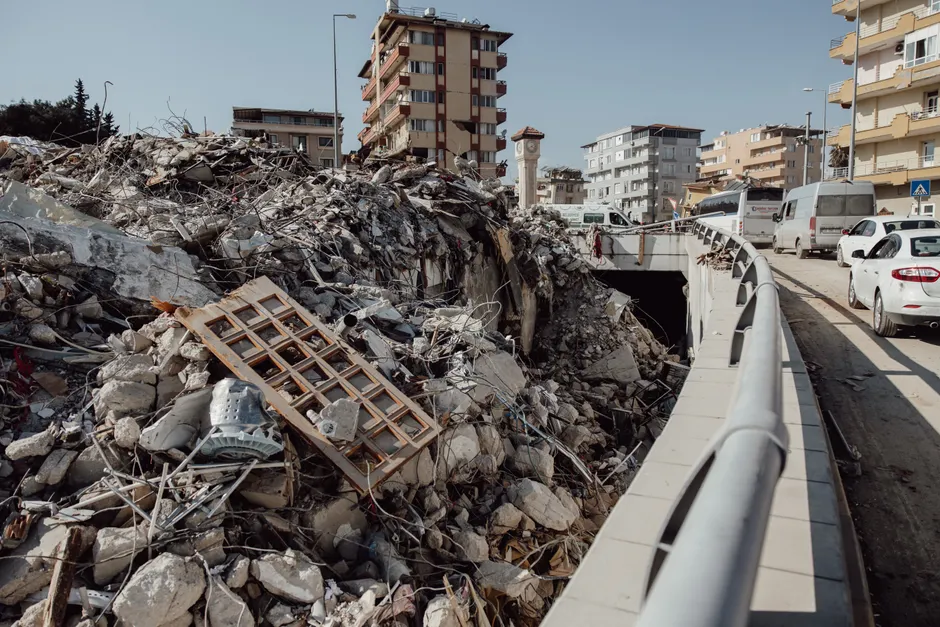
Rescue crews in La Guaira pulled a mother and her 18-day-old infant from collapsed building rubble 32 hours after twin earthquakes struck Venezuela on June 25, in one of the more striking survival outcomes from a disaster that has drawn international search-and-rescue teams to the country. Reuters documented the seismic events, with shaking felt in the capital Caracas and across the coastal zone.
La Guaira, Venezuela's primary port city and the narrow coastal corridor connecting Caracas to the Caribbean, sits atop geology that amplifies seismic risk. The area straddles the boundary between the Caribbean and South American tectonic plates—the large geological pieces that make up Earth's crust. This fault system has a documented history of destructive ruptures, most notably the 1999 Vargas disaster that killed tens of thousands. That structural vulnerability shaped both the scale of building collapses this time and the urgency of the international response.
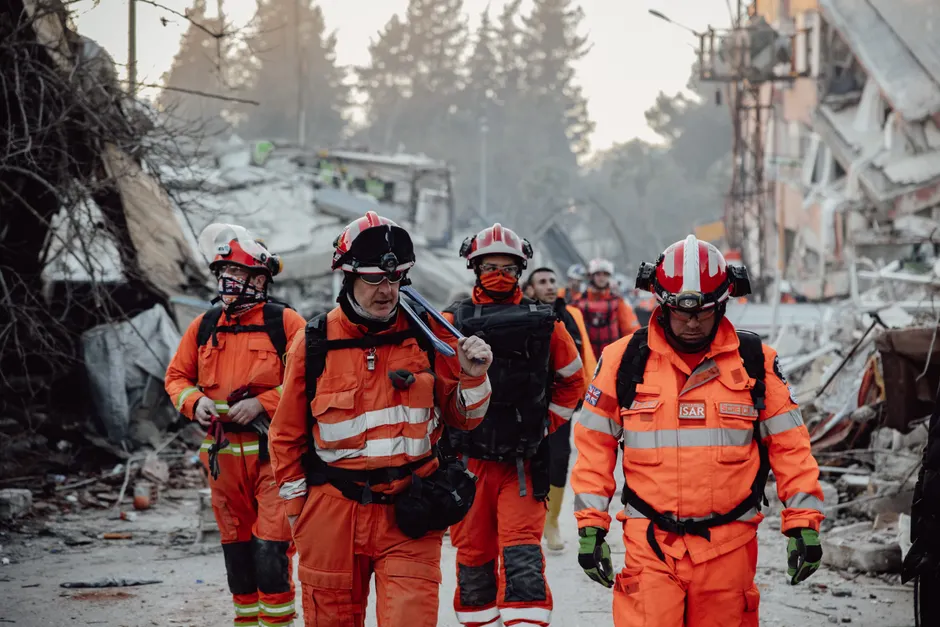
Fox News reported on June 28 that US search-and-rescue teams were active in the rescue operations and were involved in extracting the infant from the rubble. American USAR (Urban Search and Rescue) teams operate under FEMA task force protocols when deployed internationally, coordinating with host-nation civil protection authorities. Their presence in Venezuela is operationally notable given the prolonged strain in US-Venezuela diplomatic relations; humanitarian corridors and disaster-response cooperation have at times persisted even when formal ties are strained, but the deployment warrants attention as an indicator of the current state of the bilateral relationship.
The 32-hour survival window falls within the established range for live rescues—the so-called "golden 72 hours" framework used by USAR planners—but the presence of a newborn alters the picture sharply. Neonates have minimal body mass and limited physiological reserves; survival under rubble for that duration without feeding, hydration, or temperature regulation is an uncommon outcome. The AP video report documented both survivors being brought out of the collapsed structure alive.
Venezuela's civil protection and emergency response infrastructure has operated under severe resource constraints for years, a product of the broader economic contraction that has degraded public institutions across sectors. International teams filling gaps in domestic capacity is not a new pattern in Venezuela—it was visible after flooding events earlier this decade—but the speed and composition of the external response will be scrutinized as the full casualty picture from the twin earthquakes comes into focus.
The broader context here involves how the international community assesses disaster response in politically strained situations. Death tolls and damage assessments from Venezuelan government sources have historically been contested by independent monitors, and the absence of transparent reporting mechanisms means the verified facts available as of June 29 remain incomplete. What the La Guaira rescue does confirm is that multi-agency coordination, with US USAR teams working alongside Venezuelan crews, produced a live extraction in a technically demanding collapse environment. The broader damage assessment, the political dimensions of the US deployment, and the longer-term humanitarian picture are all still developing.