Britain's Military Is Still Geared for Abroad, Not Home Defence

A report published on 8 October 2026 warns that Britain's armed forces remain weighted toward overseas missions at the expense of defending the UK, and that raising the budget without changing that balance would compound waste. The analysis comes from the Transition Security Project and challenges the Defence Investment Plan unveiled in July at the end of Keir Starmer's time as prime minister. The Guardian
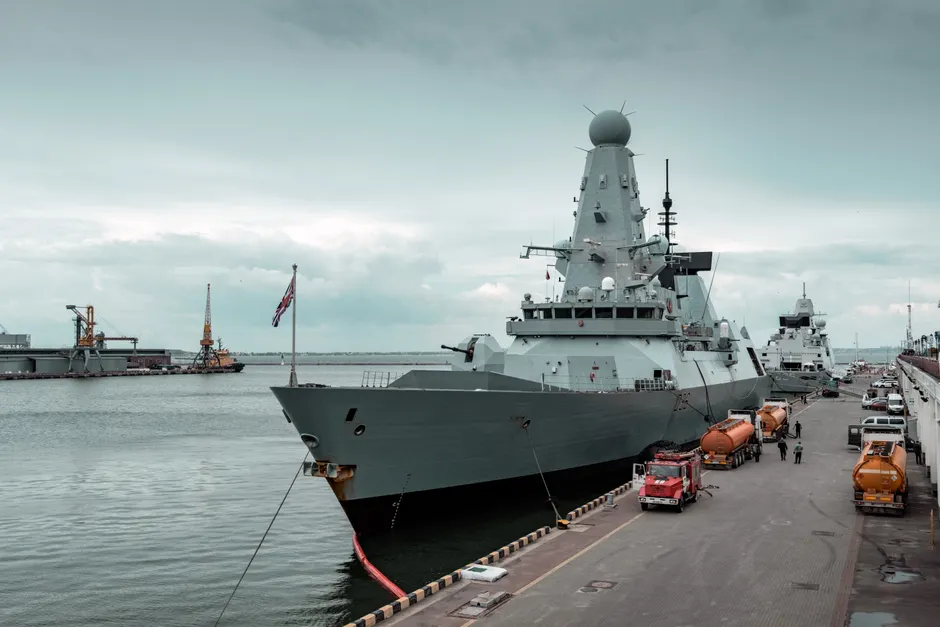
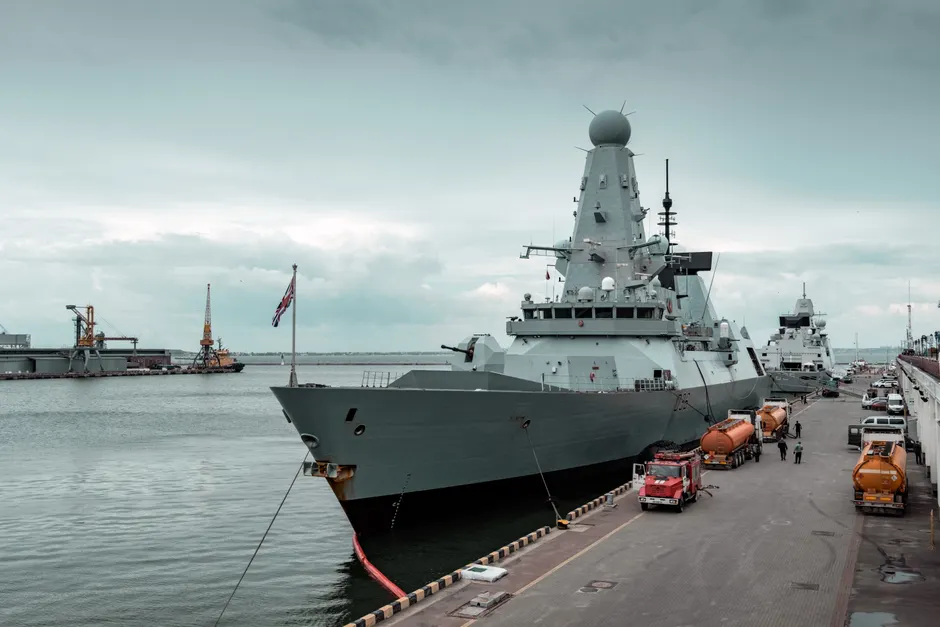
The study, by researcher Kevin Cashman and co-director Khem Rogaly, ranks Britain as the most overseas-committed military among European members of NATO, the alliance that links the UK, the US and European partners. It estimates about 23% of the UK military budget in 2024/25, just over £14bn, supported commitments across five continents. About £2.8bn was spent outside Europe, including bases in Cyprus, Kenya and Oman described as strategic hubs for power projection, the ability to send and supply forces far from home. France keeps more personnel stationed abroad than the UK. The report says the distinction is important because London's footprint is more capital-intensive, meaning it costs more in bases, ships and support systems than in troop numbers alone.
The study puts spending on interventions in Iraq, Afghanistan, Libya and elsewhere since 2001 at more than £51bn in today's money. It describes the pattern as a symptom of a 'destructive, outdated foreign policy' centred on overseas missions. It calls for a posture review, a formal rethink of what the forces are for, that would put territorial defence ahead of force projection, the capacity to fight abroad.
The government is committed to spending 3.5% of GDP, the total value of the economy in a year, on defence by 2035. The Transition Security Project estimates that would double the cash budget from £70bn in 2026 to £151bn in 2035. London had committed to 2.5% of GDP from April 2027, with a plan to reach 3% on the path to 3.5%, and confirmed an additional £15bn for the Defence Investment Plan between 2026-27 and 2029-30. UK Government On 6 October, The Times reported the prime minister was weighing a delay to the roadmap for higher spending. Reuters A £4.7bn gap had already been identified to meet existing plan requirements. Reuters
The Defence Investment Plan allocated £790m over four years for new radars to improve protection of the homeland and overseas bases against air, drone and missile threats. Reuters The Ministry of Defence will hold central contingency, money set aside for unexpected costs, rising from 1.2% of its budget in 2026/27 to 2% by 2030. Government spending with UK industry rose 6% in real terms, after inflation, to £31.7bn in 2024/25, with weapons and ammunition manufacturing jobs up 51% and a wider increase of 26,000 defence-supported roles nationwide. UK Government
The broader context here is about allocation rather than the total sum. The question is not whether 3.5% buys a larger force. It does. The question is what kind of force it buys. Think of it like a household budget that keeps paying for expeditions while home insurance runs thin. A posture built for expeditionary operations, missions far from the UK, locks in spending on overseas logistics, bases, munitions use and training cycles for deployment abroad. That competes for the same funds as home tasks such as integrated air and missile defence, a linked system of sensors and interceptors, deeper weapons stockpiles, ships available for Atlantic and Channel duties, and resilient command and control.
In my view, the word waste in the report should be read narrowly. It does not claim the money buys no capability. It claims the money reproduces a force designed for the wrong set of risks.
Looking at what this means for Whitehall, three friction points stand out. First, NATO alignment. A 3.5% pledge meets the alliance's burden-sharing maths on inputs, but allies judge outputs such as deployable units and sustainment. If London funds global presence while under-resourcing ammunition stocks, support capabilities and home sensors, it could hit the target and still miss the requirement. Second, sequencing. Delaying the roadmap eases short-term pressure but pushes procurement costs into later years, where inflation and delays add up. Third, political economy. Rising industrial jobs give the plan supporters, but factories can build equipment for missions abroad or for home defence. The posture review the authors want would force that choice into the open, rather than letting buying momentum decide by default.