100+ Trekkers Stranded After Floods Cut Nepal's Manaslu Trail

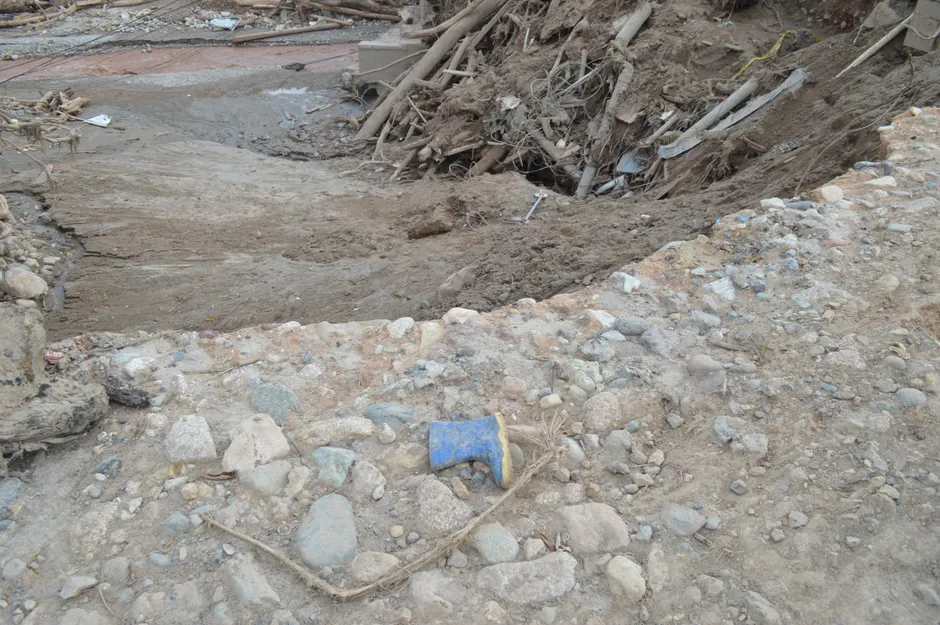
More than 100 foreign trekkers were stranded in Nepal's Gorkha region on October 13 after flash floods swept away part of the Manaslu trekking trail. The groups were dispersed in different areas along the route, according to an account carried by Al Jazeera.
Bhuwan Raj Ojha, an official of the Manaslu Conservation Area Project, reported the stranding to Reuters. The floods followed a predawn landslide on Sunday, October 11, that blocked the Budhi Gandaki River. Gorkha district lies about 100km (62 miles) west of Kathmandu.
Authorities rescued 321 people, including 12 foreigners, on Monday, October 12. Nepal's army said the operation would continue on Tuesday, October 13, as water levels in the river receded. The trail was still cut off, and the numbers were still being updated.
No deaths were reported. Five villagers were out of contact. The floods washed away more than 200 homes and damaged infrastructure including three hydroelectric plants, facilities that generate power from river flow.
Among those still stranded were nine Bangladeshi trekkers in Jagat village. They were awaiting possible evacuation by helicopter.
Gorkha district authorities asked villagers living along riverbanks downstream to evacuate. Nepal's national disaster authorities issued flood alerts for people along the river in Gorkha, Tanahun, Chitwan, East Nawalparasi and West Nawalparasi districts.
The broader context here is a response in two places at once. Upstream, rescuers must reach isolated pockets where the footpath is gone. Downstream, risk travels with the river, like a surge moving along a hose. That dual pressure explains the parallel decisions to keep airlift options open in Jagat while ordering riverbank evacuations and widening alerts across five districts.
Looking at what this means for coordination, several layers are working at the same time. Conservation officials give field reports from the trail. The army carries out the rescues. District officials manage local evacuation. National authorities set the wider alert area. When these tasks overlap, clear public information becomes important, especially for foreign nationals and downstream communities deciding whether to move.
In my view, the next phase will turn on sequence and checks. Receding water improves access but does not restore the trail. Helicopter capacity is limited. Headcounts will shift as rescuers reach more groups and compare the stranded total with those already rescued. Damage to homes and power infrastructure points to a longer recovery once the movement of people is complete.