Oil Slips From $110 After Trump Waives Russia Sanctions

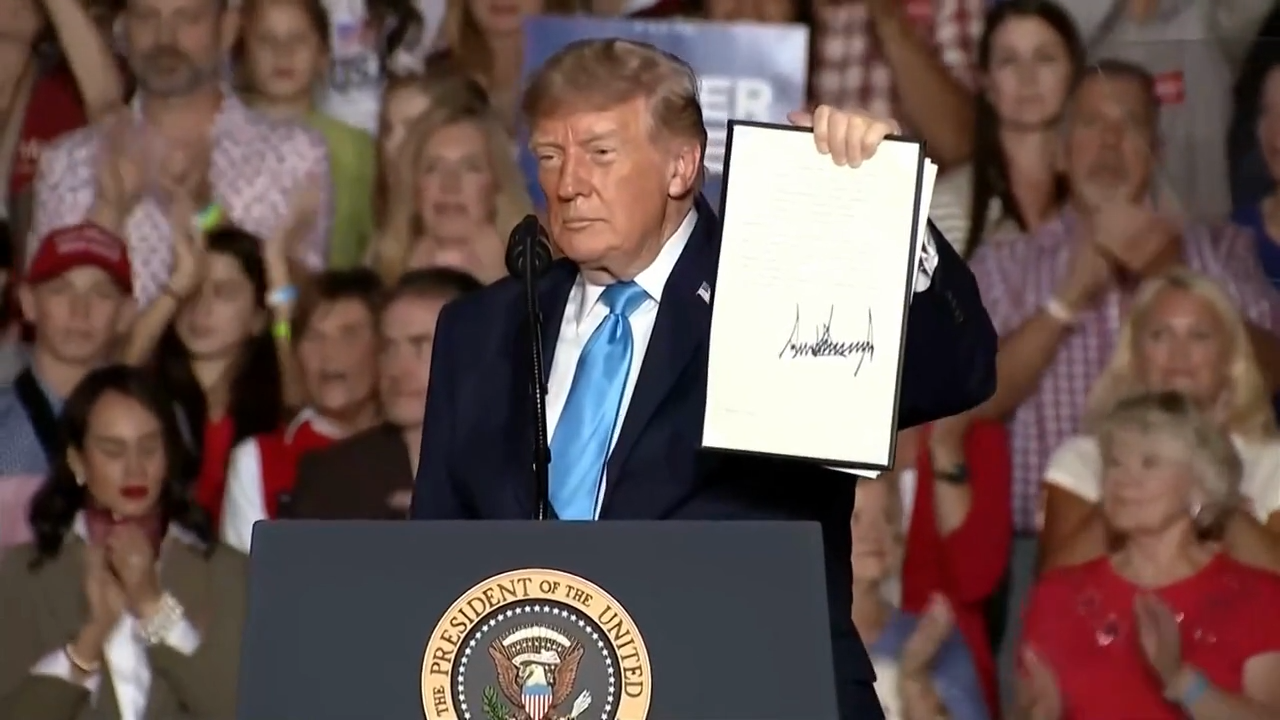
Brent crude slipped from $110 a barrel on Monday as traders sold to lock in profits after President Donald Trump signed an executive order on Friday night waiving key Russia-related U.S. sanctions and tariffs. Brent is the global benchmark that feeds into petrol and heating bills. Traders positioned for more Russian fuel to reach the market. Reuters
The sanctions and tariffs in the waiver were imposed under the Graham Act, a law Trump had signed the previous month. The Friday night order paused those measures before they were fully applied. What is covered matters more than the headline. Reuters
The $110 high was set on Friday, the first time Brent had touched that level since May, on concern about rising Middle East tensions. That capped a jumpy run. Volatility, a measure of how fast prices swing, stayed high into the weekend. Reuters
Monday's fall unwound only part of a choppy stretch. On Oct. 15, Brent crude futures, contracts to buy oil for later delivery, fell 1.9% to $104.02 per barrel at 03:35 ET (07:35 GMT), while U.S. WTI futures, the American benchmark, dropped 1.1% on talk of potential U.S. sanctions relief. Washington was reported to be considering easing sanctions on oil-carrying vessels, raising hopes of fewer shipping limits, as prices retreated. Yahoo Finance Shipping was the link. Fewer restricted ships means lower voyage costs and an easier path for sanctioned barrels to find buyers. Anadolu Agency
Geopolitical risk had already been repriced once this summer. Brent prices rose on a Friday after U.S.-Iran talks in Switzerland were abruptly called off. CNBC That episode left the market sensitive to headlines about failed talks.
The U.S. Energy Information Administration expects the Brent spot price, the price for immediate delivery, to average $105 per barrel in Q4 2026. It expects the average to fall to $84 per barrel next year. EIA
The broader context here is a market trying to price two supply forces at once. One is the risk of lost supply tied to the Middle East and the collapse of talks. The other is the possible return of extra Russian barrels and sanctioned ships if waivers hold. A jump to $110 on fear, then selling on a waiver headline, fits a market holding extra risk premium but short on physical oil.
In my view, it helps to separate what is known from what is priced in. What is known is the waiver signature, the Graham Act vehicle, and the price path from $104.02 to $110 and back down. What is priced in is a guess about whether the waiver lasts, whether firms comply, and how much oil actually flows. Waivers can be narrowed, reversed, or blunted by freight, insurance and caution among buyers. That gap explains why traders first sold futures contracts rather than repricing the full curve of future prices, known as term structure.
Looking at what this means for positioning, the EIA path from $105 in Q4 toward $84 next year frames the debate without settling it. That implies a steep curve. If Russian barrels return and vessel limits ease, near-term tightness can ease fast. If Middle East risk returns, the premium can rebuild just as fast. Exposure to how long headlines last is high. Care around contract length, liquidity and local price gaps is counting for more than strong directional bets.