Lenovo Googlebook 15 Review: Premium Hardware, Unfinished Software
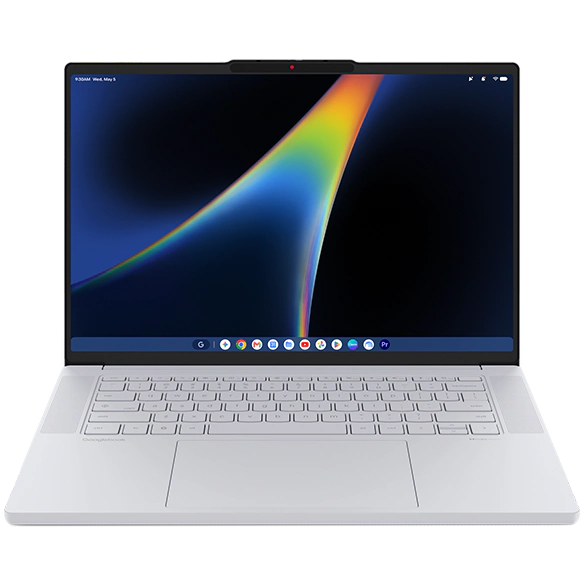
Engadget's review of the Lenovo Googlebook 15, published on 30 October 2026, concludes that Lenovo delivered excellent premium hardware, but that the Googlebook operating system still needs polishing. Engadget
The machine's physical specification is its strongest part. It carries a 15.3-inch OLED display with a 120Hz refresh rate, meaning the image updates 120 times per second. Lenovo describes the panel as a 2.8K OLED touchscreen with 100% DCI-P3 color coverage, a wide-gamut standard that measures how much of the color space the screen can reproduce. Lenovo The unit weighs 2.85 pounds, lighter than the 3-pound 14-inch MacBook Pro, according to Engadget. Lenovo lists Intel Core Ultra 5 processors and runs Googlebook OS. Google requires every participating Googlebook system to ship with at least 16GB of RAM, the working memory that holds open applications and data.
Googlebook is a new category of premium laptops built around Gemini, Google's AI system, a category Google introduced in May 2026. Engadget The machines include a multicolor glowbar and a Magic Pointer. Google says the laptops are designed to sync seamlessly with Android phones. Google Pricing starts at $899, and the lineup comprises five flagship models. Google Among the Googlebooks announced in September, Lenovo's is the only model with a 15-inch display. Engadget
On software, the reviews point in the same direction. Engadget says Google's laptop platform suffers growing pains typical of first-generation software. It adds that die-hard Android fans may overlook the Googlebook issues in exchange for phone-laptop synergy, while other users should wait for a more mature Googlebook OS. PCWorld's review, published on 28 October 2026, described the Lenovo Googlebook 15 as a lackluster laptop and found that the Googlebook operating system doesn't feel particularly useful. PCWorld
The two reviews differ in tone, but they agree on the division of labor. Both outlets praise the hardware, and the criticism centers on the operating layer, the software that sits between the hardware and the apps you use. That split matters for buyers, because Googlebook's pitch rests less on the chassis than on what the software does with it: Gemini integration, pointer behavior and tight coupling with an Android phone. Engadget says those features are not yet fully developed.
In my view, the central question for Googlebook is whether the software can catch up to the hardware before price and category expectations harden. A $899 starting price, the 16GB memory floor and a premium OLED panel set a high bar for a first generation. Buyers who already live inside the Android ecosystem have the most to gain from phone sync, and Engadget's advice to them is more forgiving than its advice to everyone else. Enterprise and general-purpose buyers will judge the machine as a laptop first, and the reviews suggest the operating system is where it currently falls short.
The broader context here will be familiar to anyone who covered the early Chromebook and Windows-on-ARM cycles: a capable piece of hardware ships ahead of the software meant to make it distinct. What stands out is that Lenovo's build quality is not in dispute. If Google's OS matures along the trajectory the reviews imply, the Googlebook 15 gives it a light, bright and well-built platform to run on. For now, the reviews agree that the hardware is ready and the software is not.


