NASA's Swift Observatory Is Expected to Re-Enter Earth on November 4, Uncontrolled

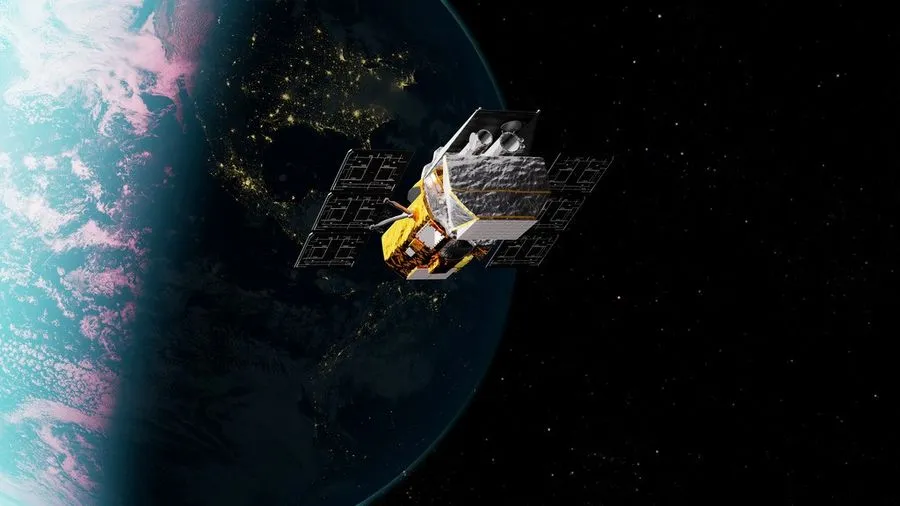
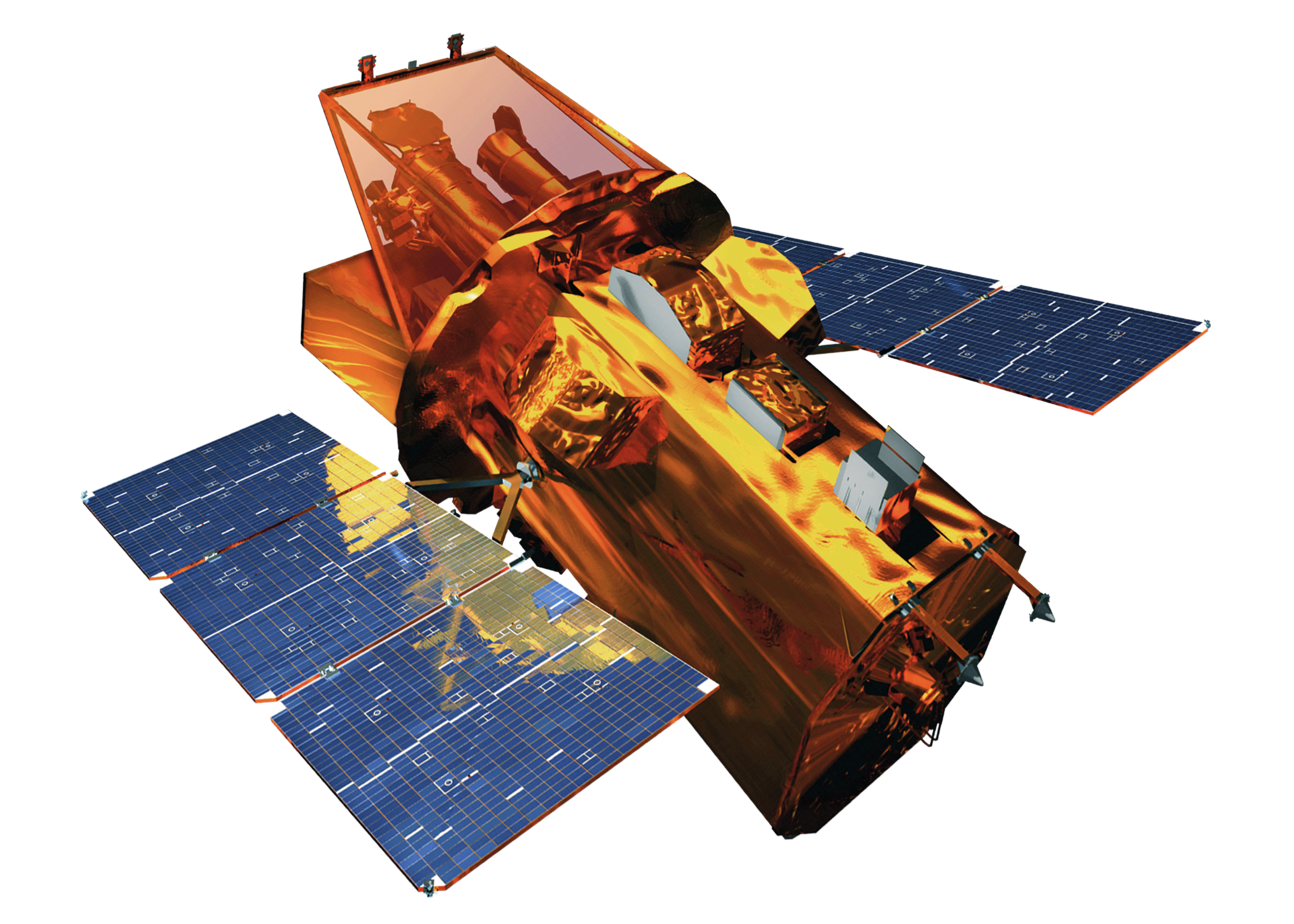
The U.S. Armed Forces predict that NASA's Neil Gehrels Swift Observatory will re-enter Earth's atmosphere around 3:30 a.m. Eastern Time on November 4, according to Engadget. That estimate carries an uncertainty of 11 hours, and the same report gives the spacecraft's weight as 3,200 pounds. EarthSky puts the estimated re-entry at 05:31 UTC on November 4, with an uncertainty of 12 hours. NASA's own November 2 update says it expects re-entry on Wednesday, November 4.
Swift launched almost 22 years before that date. Its final observation came on October 20. NASA then ended operations after the observatory entered safe mode, a protective state in which the spacecraft suspends normal science and waits for ground commands. As of October 23, NASA expected re-entry within the following few weeks. By January 2025, almost all models had projected re-entry by the summer of 2026, so the window has narrowed considerably since then.
The end of the mission followed a failed attempt to extend it. NASA launched the Swift Boost mission in early July to rescue the observatory by moving it to a higher orbit. The plan called for Katalyst Space's LINK robotic spacecraft to dock with Swift and tug it upward. NASA called off the rescue after LINK encountered attitude-control issues that left it spinning and caused communication problems. Swift Boost was a conventional servicing concept: a robotic tug mating with an uncooperative or aging host. The failure sits in the sequence such a mission has to execute, which is capture, stabilize, and then boost.
Re-entry is projected to be uncontrolled. USA Today reports that the observatory will come down without propulsive guidance, so its landing zone cannot be targeted. NASA says most of Swift will burn up during atmospheric entry, but some components may survive to reach the ground. The agency describes the risk of harm to anyone as very little.
During its mission, Swift observed more than 2,000 gamma-ray bursts and gathered data on 1,400 supernova explosions, according to Engadget. Gamma-ray bursts are brief, extremely energetic events. Rapid follow-up on them depended on the observatory's ability to slew quickly, meaning turn to point at a new target, and relay its findings. Those datasets will remain in the archive long after the hardware is gone.
The broader context here is how much an on-orbit rescue depends on both spacecraft being controllable at the moment of contact. A docking tug has to match rates and attitude with its target before it can apply any force. The LINK failure shows how quickly that sequence can unravel once spin rates or communication links fall outside tolerance. Orbital servicing is still a capability the industry is building, and this episode is a concrete reminder of the margins involved.
In my view, the more useful measure of the mission is what the instruments recorded. Swift's burst and supernova data will keep feeding analysis for years. The final weeks, with an uncontrolled descent, end a long run of science output rather than erase it.