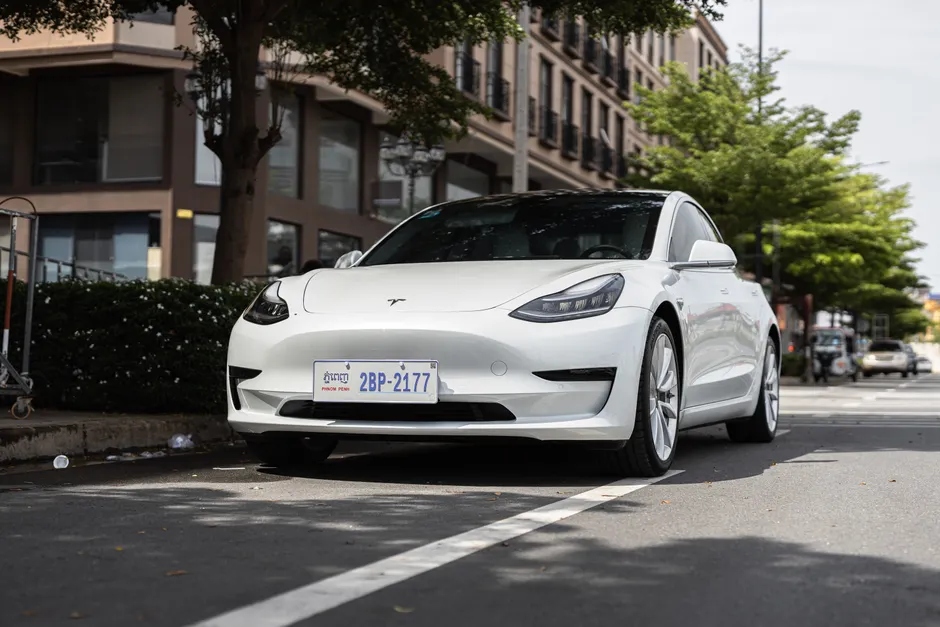
Tesla Starts Robotaxi Service in San Antonio, Where Waymo Already Operates

Tesla said it will make its robotaxis available in San Antonio starting at 5 a.m. local time on Monday, November 9. The launch extends a service the company has been expanding across Texas and Florida, and it puts Tesla in the same city where Waymo has recently returned to the road.
Tesla did not disclose hours of operation for the San Antonio service. It also did not say whether the local fleet will include the Cybercab or the Model Y, or whether vehicles will carry human safety monitors, meaning people on board who can take over if needed. Those three points will determine how the service is judged on the street, and none has been specified. TechCrunch
Tesla's footprint is uneven. Its robotaxi service launched in Austin in June 2025, and the company reports more than 400 autonomous vehicles registered in its Austin fleet. Tesla also runs robotaxis in limited areas of Miami, Orlando, Dallas, Fort Worth, and Houston. In the San Francisco Bay Area, it operates a ride-hailing service under a transportation charter permit, which requires a human behind the wheel. The company does not hold permits to operate driverless ride-hailing in California. Tesla describes the Cybercab as the newest addition to its Robotaxi fleet, and says Cybercab rides are currently available in limited areas of Austin. Tesla
Waymo already operates in San Antonio. Its robotaxi service runs in Austin, Dallas, Houston, and San Antonio using driverless Jaguar I-Pace and Zeekr RT vehicles, the latter branded Ojai. Waymo's San Antonio service was paused for five months after its vehicles became stuck upon entering flooded roadways. The service has since restarted. The two operators will therefore share a city, a regulatory environment, and a weather profile that includes flash flooding.
Tesla's job listings offer some indication of its operational plans. The company lists an Associate Robotaxi Operations Manager position based in San Antonio, and a Robotaxi Fleet Support Specialist (Night Shift) role involving 24/7 vehicle operations in the city. The listings do not confirm the hours the public service will run.
In my view, the most useful questions for this launch are operational rather than rhetorical. A fleet that needs round-the-clock support staff raises the matter of remote assistance, meaning human operators who help a vehicle when its software cannot resolve a situation. It also raises how the car performs minimal-risk maneuvers, the stop-and-pull-over behavior a vehicle should use when it cannot continue safely, during flooding, and how a service recovers when a car is stranded in standing water. Waymo's pause shows how quickly a weather-related failure can take a service offline. Tesla has not described how its system handles the same conditions.
The broader context here is that San Antonio is a test of whether two driverless operators can run in a mid-sized Texas city without the kind of incidents that led to Waymo's pause. For riders, a second option is practical: more places to hail a vehicle, and more pressure on each operator to demonstrate reliability. If Tesla's vehicles perform through the city's storms and overnight hours, the launch adds a second driverless network to a market that had none. The disclosures Tesla has withheld, including hours, vehicle type, and the presence of safety monitors, will be the first things to check once the service is live.