Apple HomeView: A Square Smart Display That Draws on Your Phone

Apple's HomeView is a smart display that uses Siri to control a smart home. It costs $299 and comes in tabletop and wall-mounted versions. The Verge published its review of the device on November 12, 2026.
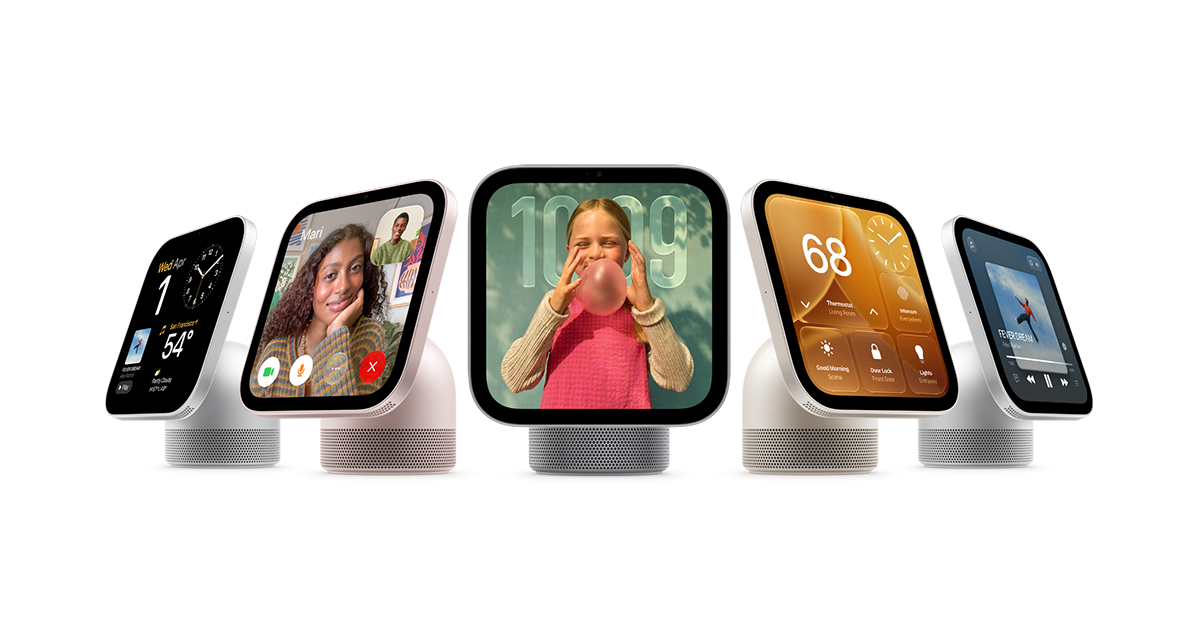
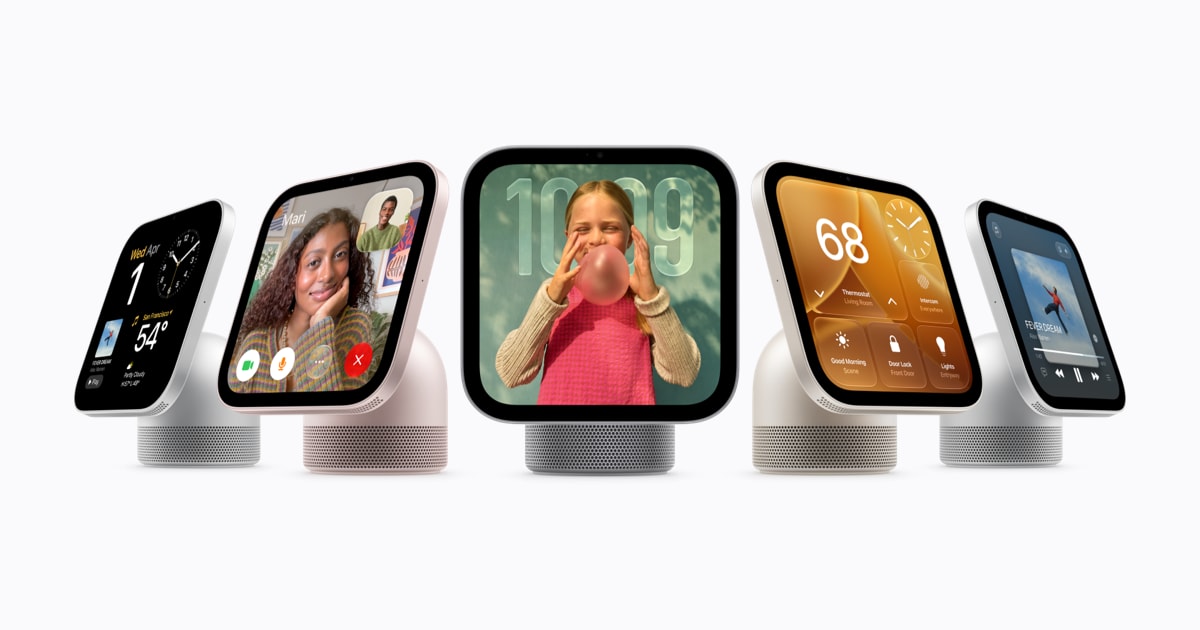
The screen is a 7-inch square touchscreen with a 1088-by-1088 LCD panel. Most smart displays use a landscape format, so the square shape is an unusual choice. A Center Stage camera sits above the display. Center Stage keeps a person framed during a call by digitally panning and cropping the image. The camera handles FaceTime calls, which places HomeView in the same category as a video-calling endpoint as well as a home controller.
The most distinctive feature is access to a phone's personal data. According to The Verge, HomeView can reach texts, calendar, and reminders on an iPhone or iPad, provided the handset is at home and on the same Wi-Fi network. The display does not keep its own copy of this information. It draws on the paired device whenever that device is on the local network, so those features depend on where the phone is.
For the Home app and HomeKit-based accessories, which are the lights, locks, and sensors that Apple's smart home framework supports, the display acts as a voice and touch front end for Siri. It is a physical surface for control and information flows that Apple devices already handle, mounted on a wall or counter.
In my view, the Wi-Fi condition deserves more attention than the price. A device that gathers personal messages and schedules from a nearby handset is only as private and as predictable as the network boundary it relies on. Households with guests, shared networks, or several family members' phones will each have to consider how that boundary works in practice. A display sitting in a kitchen or hallway makes those questions visible in daily life.
The broader context here is a category that has spent years trying to become a central household interface without a clear winner. Smart displays have mostly been voice speakers with screens attached. HomeView's pitch is tighter integration with the phone already in a user's pocket, which reduces the setup and account management a home needs. Whether that integration becomes a reason to buy the device will depend on how many households already run iPhones and iPads on the same network as their smart home hardware, and how well the Siri-driven controls perform against the accessories they manage.
The hardware scope is modest: a small square display, a call camera, and a $299 price. The software ambition is larger, because the device treats the household's existing Apple devices as a source of context. For readers who build or manage smart home stacks, the useful questions are how the phone-to-display link behaves when the phone changes networks, and how much of the household's daily information ends up on a wall-mounted screen that anyone in the room can read.
The optimistic reading is that a shared screen could reduce the number of apps a household checks for a calendar entry, a reminder, or a message from another room. The cautious reading is that the same convenience concentrates personal data on one physical surface. Both readings follow from the design, and the device leaves each household to decide which one applies.