Uber Eats Starts Drone Deliveries With Zipline, Beginning in a Houston Suburb

Uber Eats begins drone delivery with Zipline on Tuesday, 17 November, with its first service area in Spring, a Houston suburb in Texas. Dallas comes next, and dozens of additional US cities are planned.
Uber and Zipline first announced the tie-up in August 2026, when Uber also invested in Zipline. The two companies have set a goal of 1 million drone deliveries per day by the end of 2029. For scale, Zipline currently averages roughly one delivery every 20 seconds worldwide, or around 4,300 per day. The Verge reported the launch details.
Customers in the Spring coverage area will see a Drone icon on the Uber app home screen. It opens a view of participating restaurants, initially Jersey Mike's, Zaxby's, Urban Bird and Abu Omar Halal. Service runs daily from 8AM to 10PM at launch.
At checkout, customers must confirm a clear drop-off zone in the yard. Once an order is airborne, they can track the drone in real time. Tipping is disabled for autonomous drone deliveries, although customers can still rate the experience.
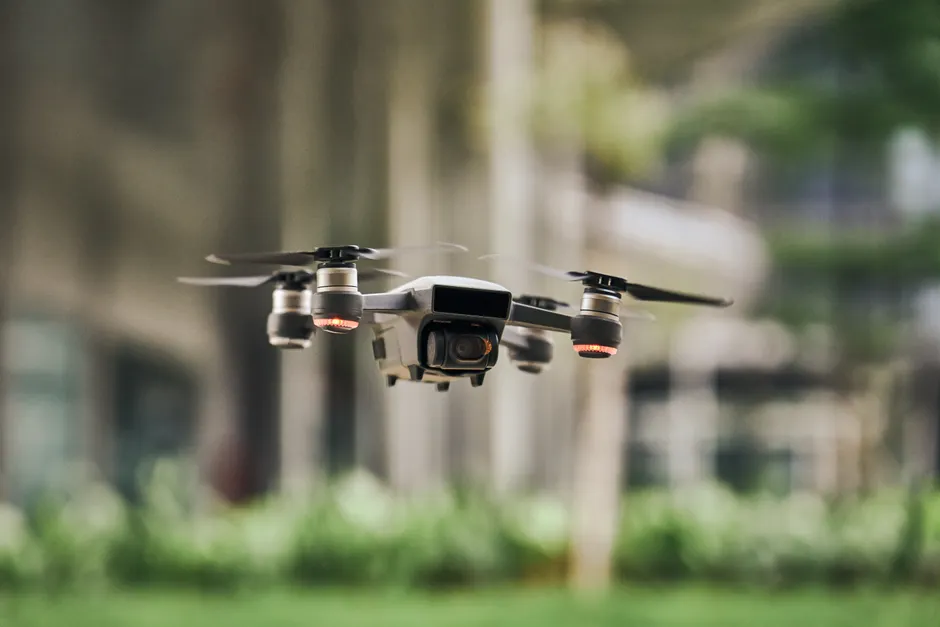
The aircraft are Zipline's. They cruise above 300 feet at speeds up to 70 mph. Rather than landing, each drone hovers overhead and lowers a tethered delivery pod to the doorstep or yard. Each carries up to 8 pounds of cargo within a 10-mile radius of the restaurant, and the company says the aircraft are built to fly in rain and poor weather.
In my view, the operating envelope is the part of this launch that matters most to operators. An 8-pound payload and a 10-mile radius determine which restaurants can serve which addresses, so the density of participating merchants around each hub will largely decide whether a zone can sustain the service. The drop-off requirement also moves a fulfillment step onto the customer, who must clear the yard before the pod descends. The tipping decision shapes courier-side economics, and how customers respond over time is an open question the launch does not answer.
The more useful measure of this rollout, I would argue, is how quickly the Spring pilot becomes repeatable coverage in Dallas and the other planned cities, rather than the launch itself. The 2029 target of 1 million deliveries per day is far from the current figure of roughly 4,300. That gap will be closed, if at all, through station density, regulatory approvals in each market and merchant adoption. Those are the variables to watch.
The broader context here is what the launch makes possible: a delivery model that does not depend on a car or a sidewalk courier for short-radius orders. For a restaurant inside a 10-mile radius of enough households, that is a new sales channel. For customers in low-density suburbs, it is a new way to receive a meal within minutes without a driver on the road.