Music Hardware Makers Open Their Firmware to Vibe-Coded Mods
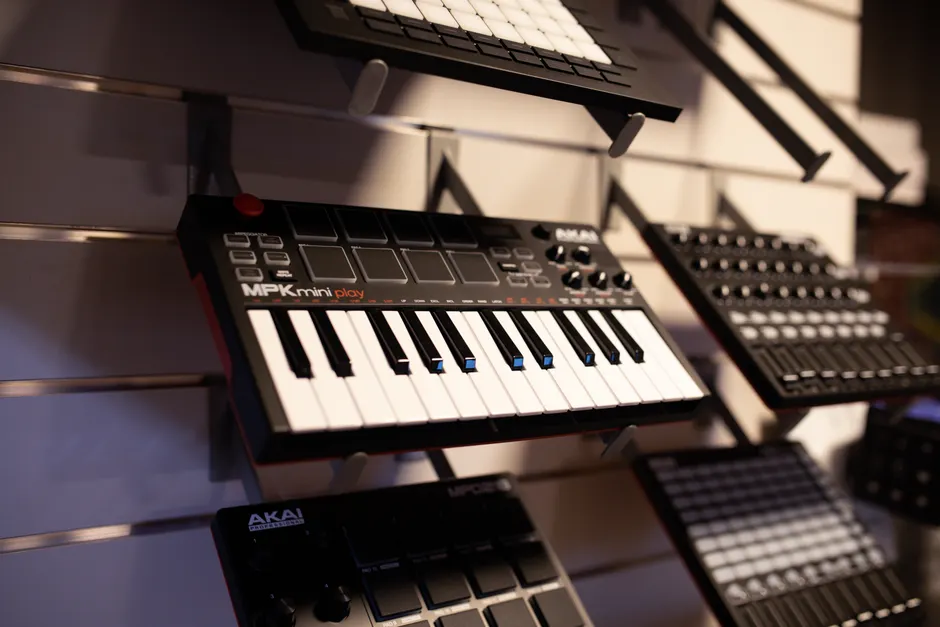
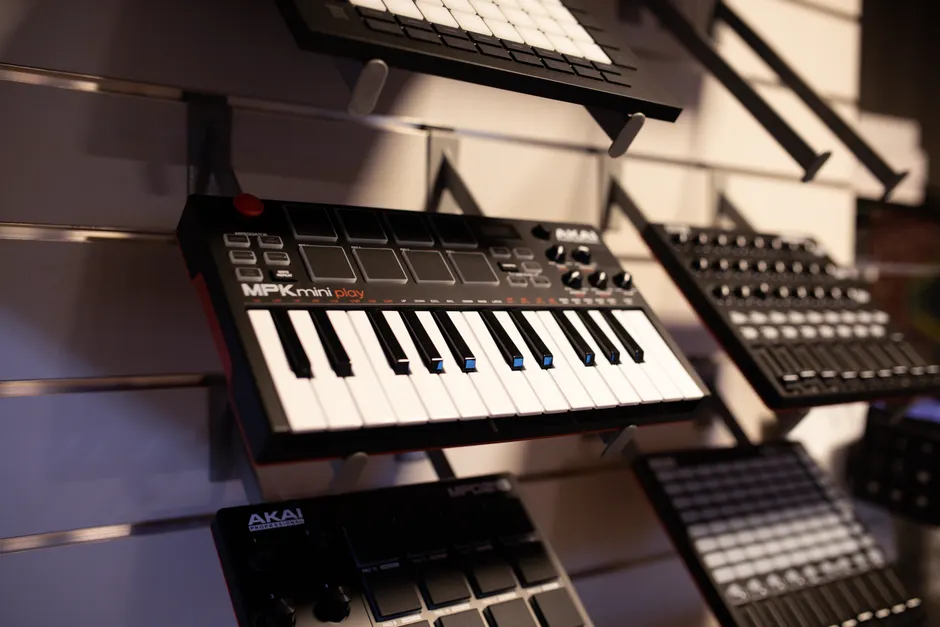
inMusic, the parent company of Akai, Moog and Native Instruments, says it will provide a toolbox and the inner workings of devices such as the MPC so that the community can modify them, according to The Verge. The report was published on November 25, 2026. inMusic CEO Jack O'Donnell described the plan in the same coverage, and the company has already launched an SDK (software development kit) that lets anyone build custom plugins for the MPC.
Akai has teased the MPC Sample Key as an open-source device. The move is part of a wider shift among hardware makers toward open firmware, the low-level software that runs a device much as an operating system runs a phone. It coincides with a surge of community modding built with vibe coding, the practice of generating code from natural-language prompts using AI models.
Behringer has announced a set of open-source devices. The list includes the Kick sampler, an SP-1200 clone, the Anima DJ controller, the Ignite sequencer and the Polykeys 61 MIDI controller. The Kick is described as a $150 sampler inspired by the MPC One, with vibe-coded firmware at its core. These are announced products.
M-Vave's FM-1 is a $70 pocketable clone of the Yamaha DX7, a synthesizer that has attracted more than a dozen custom firmwares, or alternative versions of its software. The company has released open-source firmware for the FM-1 with additional features for developers to build on. M-Vave has also confirmed that a successor, the FM-2, is in development and will be open source.
Erica Synths has released the source code for its LXR-02 drum machine, putting the instrument's code in public view for modification.
Roland has so far stayed silent on the vibe-coding-driven modding of its music gear, while other manufacturers have embraced their modding communities.
The broader context here is a change in who writes the code that runs a synthesizer, drum machine or sampler. For most of the hardware era, firmware was a sealed component, updated by the manufacturer on its own schedule and shaped by its roadmap. Open firmware turns that code into a platform. Users can add features, fix behavior they dislike and port ideas across instruments. A manufacturer that publishes its source and tooling takes on a role closer to host for a developer community than sole author of the product.
Vibe coding lowers the barrier to that participation. A musician who cannot write C or assembly can describe a behavior in plain language and iterate toward working firmware, which widens the pool of people able to modify a device. The same property raises questions the announcements do not address. Firmware written quickly by non-specialists needs testing, version control and a clear path for updates. The announcements leave open how bugs in community-built code will be handled, and who will support a device after its maker moves on.
In my view, the most useful question for buyers is less whether a device is open than whether its source, toolchain and documentation remain available for years. A sampler running community firmware is only as durable as the people maintaining that firmware. The companies making these announcements have commitments whose long-term shape is not yet visible.
Still, the direction is clear enough to be worth noting. A $70 FM-1 or a $150 sampler now has a route to capabilities its manufacturer never shipped, and a sequencer or controller can be reshaped to fit a particular studio or performance. Hardware that once froze at the factory image can keep changing. For working musicians on limited budgets, that capacity to extend an instrument may matter more than any single feature list.