Houthi Strikes Kill at Least 30 Yemeni Soldiers in Coordinated Land Offensive

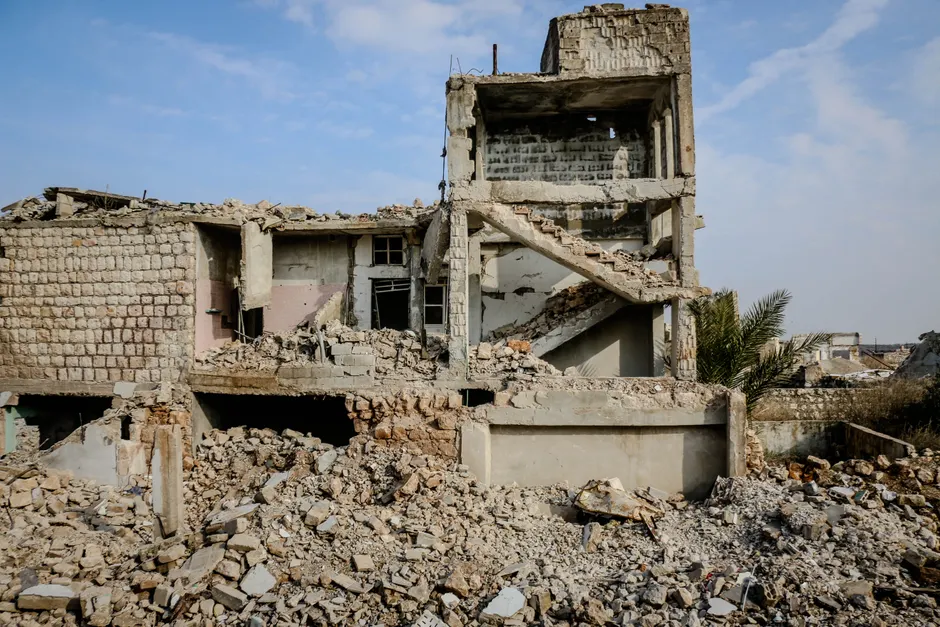
Houthi forces killed at least 30 Yemeni government soldiers on August 6, 2026, in a coordinated missile and drone offensive against military positions held by the Saudi-backed government. The strikes targeted several installations, including the Sahn al-Jinn camp in Marib, where eight were killed in a separate attack the Houthis separately claimed responsibility for (L'Orient-Le Jour).
Houthi military spokesman Yahya Saree said the operations produced "hundreds" of casualties among government-aligned forces (Al Jazeera). The Houthis also claimed their strikes destroyed military camps, weapons depots, and vehicles (Reuters). The group said the attacks killed or wounded hundreds of Saudi-aligned fighters overall, a figure that independently reported casualty counts have not yet corroborated. Reuters, citing its own sources, placed the confirmed death toll at a minimum of 30.
The August 6 offensive fits an escalatory pattern in the broader Red Sea theater. On July 23, 2026, the Houthis said they attacked two Saudi oil tankers in the Red Sea (Reuters). That same month, US President Donald Trump vowed to punish Iran for Houthi attacks in the Red Sea, linking the group's maritime operations directly to Tehran (Reuters). The Houthis have vowed to persist in military operations until a ceasefire — a formal agreement to halt fighting — is reached (CFR).
The gap between Houthi claims and independently verified casualty figures is wide but not unusual for this conflict. Saree's assertion of "hundreds" of casualties, set against a confirmed minimum of 30 killed, follows a familiar pattern in which Houthi statements have consistently presented upper-bound estimates. The targeting of Sahn al-Jinn in Marib is notable on its own merits. Marib has been a focal point of the Yemen war for years, serving as the seat of Yemen's internationally recognized government's energy infrastructure and a linchpin for territorial control of the country's northeast. A strike on a camp there, destroying weapons depots and vehicles if the claims hold, would weaken the government's military position at a critical node.
The broader context here is one of calculated timing and dual-front strategy. The August 6 strikes come two weeks after the Houthi announcement of attacks on Saudi tankers, and weeks after Trump's pledge to hold Iran accountable. Whether the US threat translates into concrete military or sanctions action against Tehran — sanctions being economic penalties imposed to pressure a government — is still an open question, but the Houthi escalation on both land and sea suggests the group is not slowing its pace of operations in response. The dual-front posture, striking Saudi maritime assets and Yemeni government ground positions in close succession, signals that the Houthis view the Red Sea campaign and the domestic war as a single, integrated theater rather than separate tracks.
For the Saudi-backed Yemeni government, the loss of at least 30 troops and the destruction of military infrastructure compounds an already fragile position. The internationally recognized government has depended on Saudi coalition air support and materiel to hold territory, and sustained Houthi drone-and-missile strikes on fixed installations exploit exactly the kind of asymmetric advantage — low-cost munitions targeting high-value, static assets — that has defined this conflict. The Houthis' stated condition for ceasing operations is a ceasefire agreement, but no active diplomatic track has produced one, and the group's vocabulary of "persistence" leaves little ambiguity about intent.
Looking ahead, the key variables are whether the confirmed death toll rises as information from the strike sites consolidates, whether the US follows through on Trump's July pledge with measures directed at Iran, and whether the Saudi tanker attacks escalate into a sustained maritime disruption campaign. Each of these threads carries its own escalation ladder. A rising land casualty count could pressure the Saudi coalition to increase air support, which in turn could draw Houthi retaliation deeper into Saudi territory. A US punitive measure against Iran, if it materializes, would insert a great-power dimension into what is already a multi-layered proxy conflict. And continued strikes on commercial shipping would confront the international community with the same maritime security dilemma that has periodically flared since the Houthis began targeting Red Sea traffic.